




Salesforce Connections 2026 Turns Chicago Into an AI Marketing Pressure Test
Salesforce Connections 2026 in Chicago signals where enterprise marketing, AI agents, customer data, and operational automation are heading next.
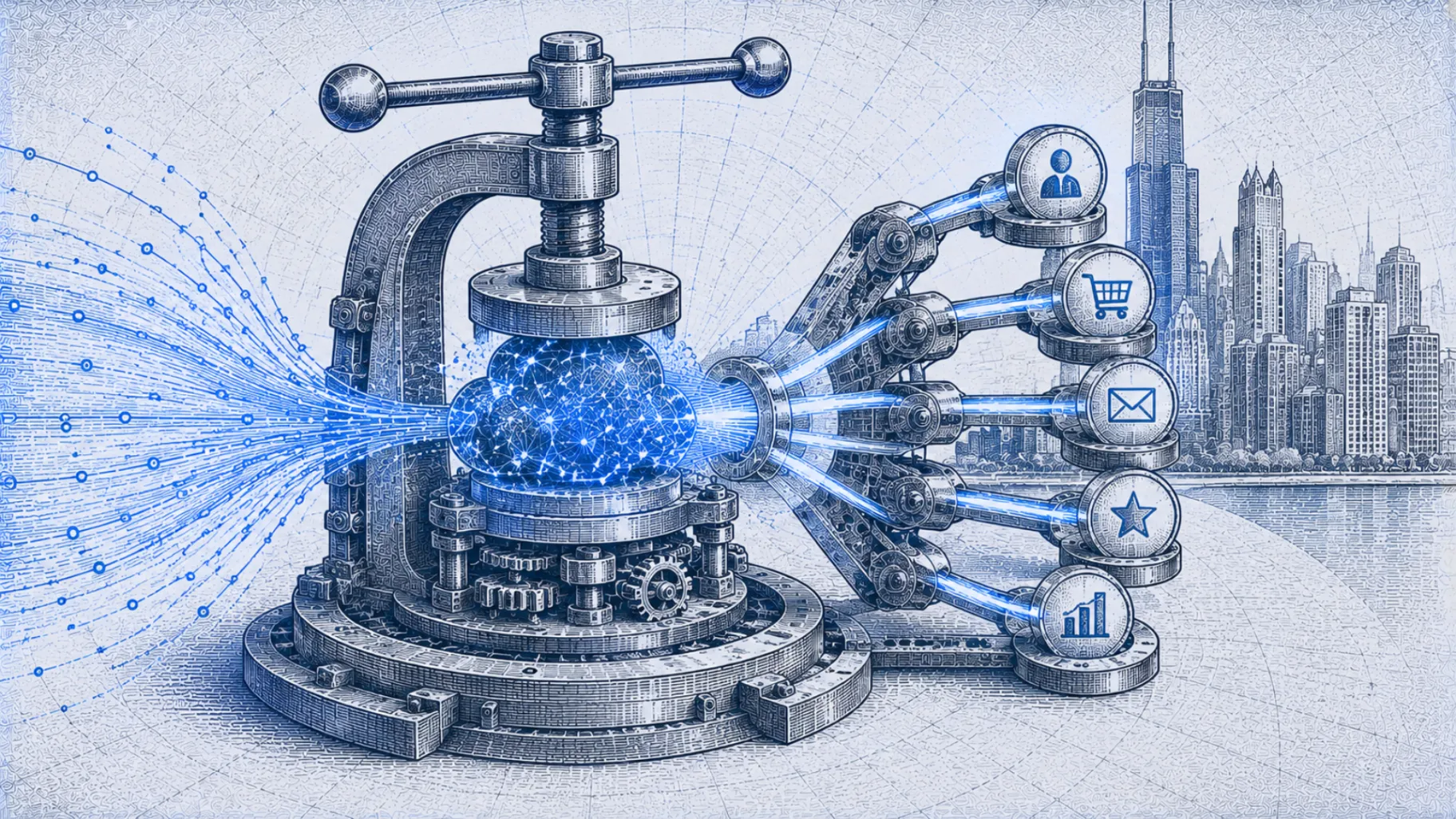
Salesforce Connections 2026 is not shaping up as another convention-center dopamine festival where executives exchange branded tote bags and pretend every dashboard screenshot qualifies as transformation. The event, hosted by Salesforce on June 3–4 at McCormick Place West in Chicago, has become a live stress test for enterprise marketing teams trying to survive the collision between AI acceleration, fragmented customer data, and mounting pressure to prove ROI in real time.
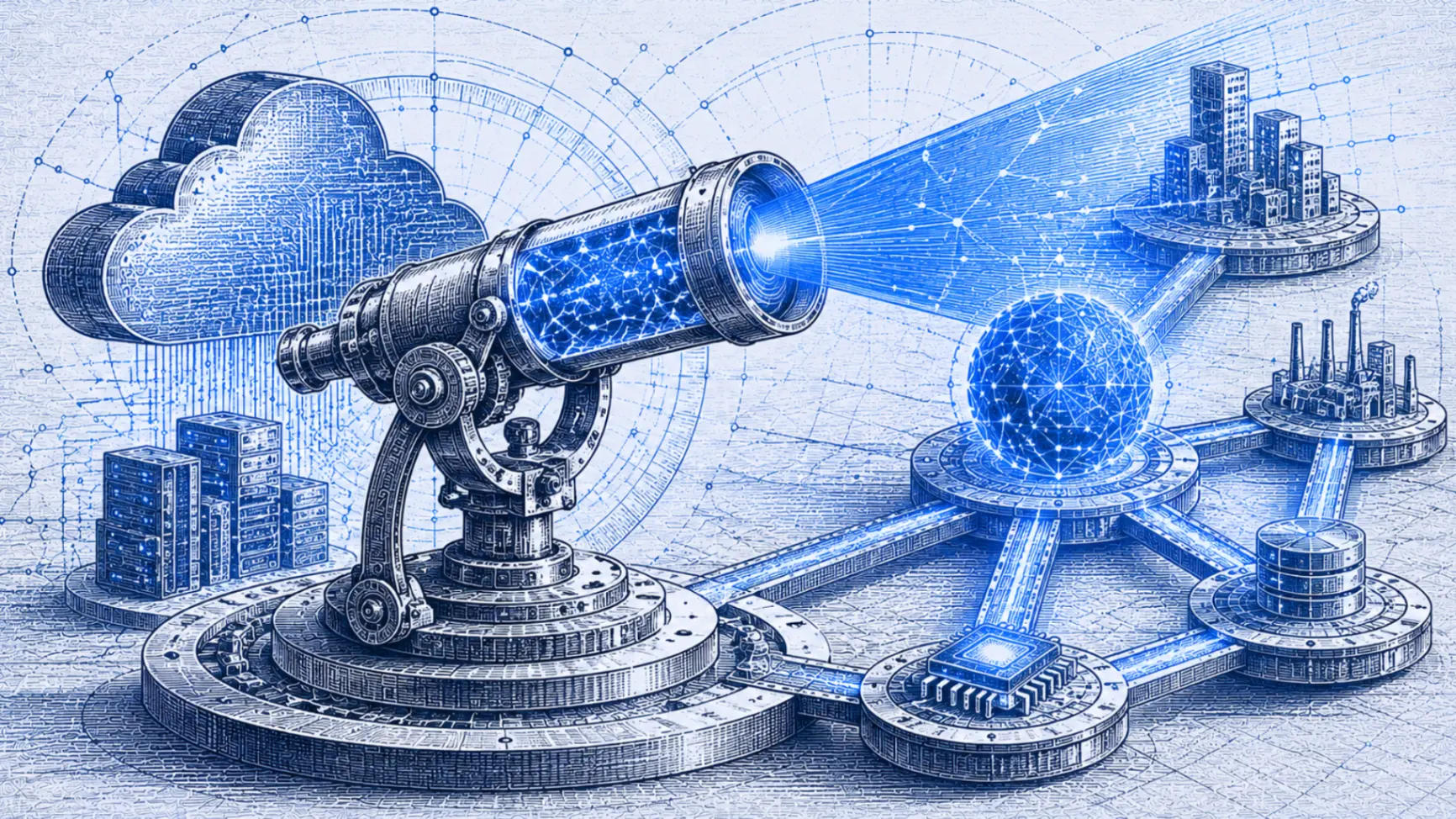
Salesforce is using Connections 2026 to position Agentforce, Data Cloud, Marketing Cloud, Slack, loyalty infrastructure, and AI-driven orchestration as the operating system for what it calls the “Agentic Enterprise.”
That phrase sounds like something a management consultant whispers before billing $600 an hour, but underneath the branding sits a very real enterprise shift: organizations are moving AI out of innovation labs and into production environments tied directly to revenue. The broader market implication is difficult to ignore because enterprise software companies are no longer selling AI as a feature. They are selling operational dependency. Connections 2026 matters because it shows how Salesforce intends to own the connective tissue between customer data, automation, collaboration, and decision-making before competitors can stabilize their own ecosystems.
About Salesforce Connections 2026
Salesforce Connections has historically been the company’s flagship marketing and commerce conference, but the tone around the event has changed dramatically over the past 24 months. Previous years focused heavily on personalization, omnichannel engagement, and customer journeys, while Connections 2026 feels more like a boardroom intervention for marketing organizations drowning in disconnected systems and AI anxiety. The event brings together marketing executives, CRM operators, commerce leaders, data teams, consultants, agencies, systems integrators, and enterprise technology buyers inside a rapidly changing enterprise landscape where AI expectations have escalated faster than operational readiness.
That tension hangs over almost every conversation surrounding Connections. Half the enterprise world talks about autonomous AI agents like they are digital interns who never sleep, while the other half still cannot align sales and marketing attribution without triggering internal political warfare. Somewhere between those realities sits the actual enterprise market, and Salesforce clearly understands it. That is why Connections 2026 leans heavily into practical implementation instead of abstract futurism, with more than 280 sessions, workshops, demos, and technical learning experiences centered around Agentforce, adaptive customer experiences, AI-assisted personalization, loyalty infrastructure, and real-time decisioning. Instead of selling pure aspiration, Salesforce is trying to demonstrate operational survivability.
Why Salesforce Connections Matters Right Now
Enterprise marketing teams are entering an uncomfortable phase of AI adoption where experimentation is no longer enough. Boards want measurable efficiency gains. CFOs want proof that AI investments produce margin expansion instead of expensive confusion. Marketing leaders want personalization that scales without hiring armies of analysts, while customers still expect coherent experiences across email, commerce, customer support, mobile, advertising, and loyalty systems that often operate like rival governments. This is precisely where Salesforce sees opportunity.
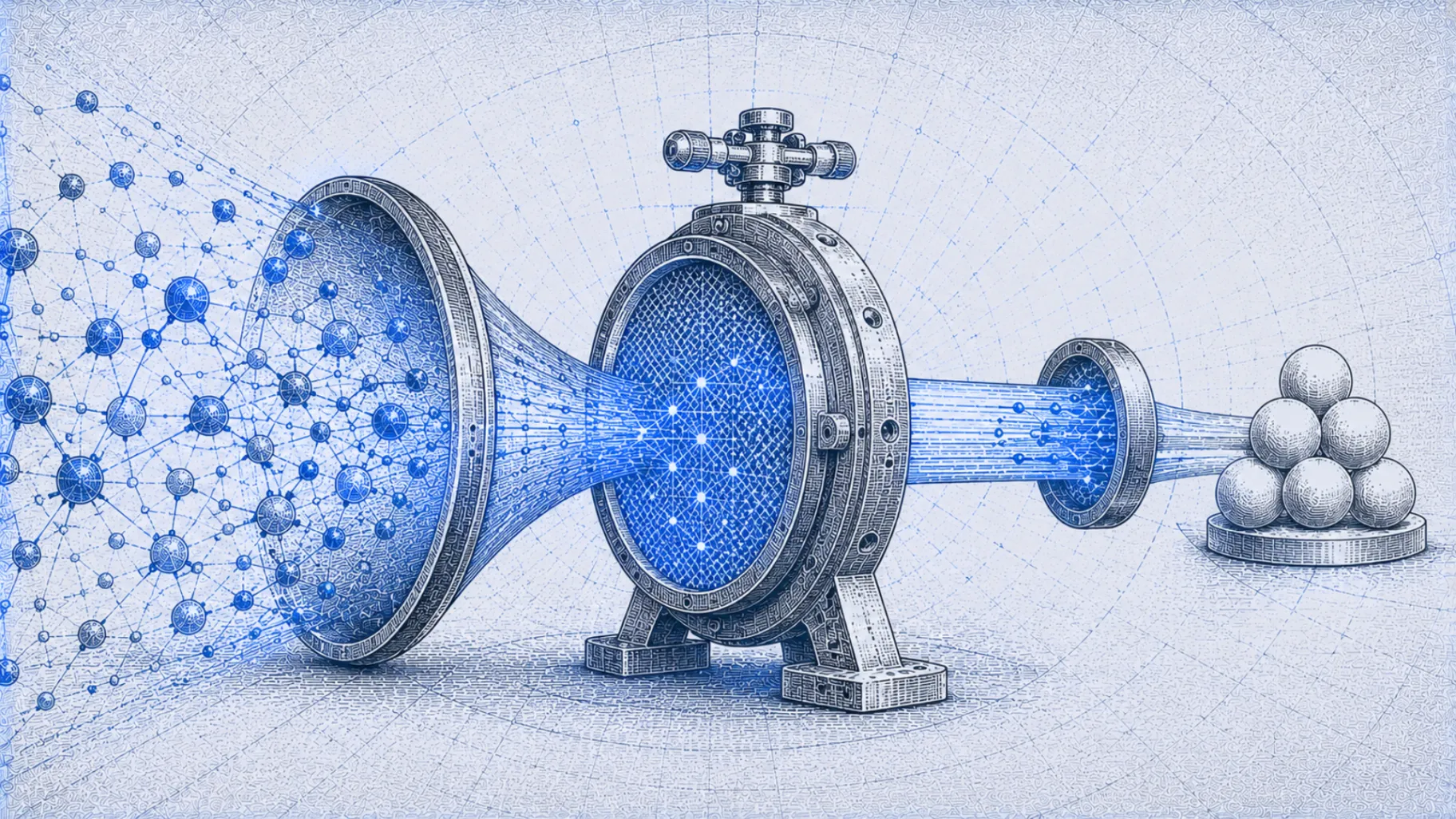
Connections 2026 positions Agentforce and Data Cloud as the infrastructure layer capable of connecting those fractured systems into something resembling operational coherence. Whether Salesforce fully delivers on that promise remains an open question, but the strategy itself reflects a broader market reality: enterprise buyers increasingly want fewer disconnected platforms and more integrated intelligence systems. The enterprise AI market has also matured emotionally. Twelve months ago, executives could still survive by repeating phrases like AI-first transformation during earnings calls while hoping nobody asked follow-up questions. That phase is ending quickly because enterprise buyers now want implementation frameworks, governance models, measurable outputs, and integration pathways that work inside large organizations with legacy infrastructure and political complexity. Connections 2026 is designed to answer those demands directly.
The Speakers Reflect a Broader Enterprise Strategy
The speaker lineup at Salesforce Connections 2026 says a great deal about how Salesforce views the future of enterprise influence. Martha Stewart appears because modern marketing increasingly revolves around trust durability. Stewart built a multi-decade media and commerce empire across publishing, television, licensing, retail, and digital platforms long before creator economy became venture capital bait. Alex Honnold enters the conversation from a completely different angle, with work centered on calculated risk, psychological endurance, and disciplined execution under pressure.
Enterprise leaders understand that feeling intimately right now because most organizations are trying to modernize operational infrastructure while simultaneously reducing costs, accelerating deployment cycles, and managing AI uncertainty. Brandon Riegg, VP of Unscripted and Documentary Series at Netflix, represents another important enterprise signal: attention economics. Every enterprise platform now competes inside environments where customer attention fragments faster than marketing budgets can adapt, which means storytelling is no longer branding decoration but infrastructure itself. Ryan Gavin, CMO of Slack, reinforces Salesforce’s larger strategic integration narrative as Slack becomes positioned not simply as workplace messaging software, but as operational coordination infrastructure for AI-assisted enterprises.
Why Chicago Matters for Enterprise Technology Events
Chicago has quietly become one of the strongest cities in America for enterprise technology gatherings because it reflects operational business culture rather than startup fantasy culture. New York brings finance gravity. San Francisco brings venture mythology. Miami brings networking energy and expensive sunglasses. Chicago brings operators. The city attracts logistics leaders, healthcare organizations, manufacturing executives, retail operators, financial infrastructure firms, and enterprise buyers responsible for massive operational systems that cannot afford failure disguised as innovation.
That makes Chicago an unusually fitting backdrop for Salesforce Connections 2026. The event is not targeting people searching for motivational slogans and AI-generated optimism. It is targeting enterprise decision-makers trying to determine whether AI infrastructure can actually survive contact with real organizations.
What Salesforce Connections 2026 Signals About Enterprise AI
Connections 2026 ultimately reflects a much larger transition happening across enterprise technology. AI is no longer treated as a separate innovation category. It is becoming embedded operational infrastructure tied directly to customer engagement, revenue operations, internal workflows, personalization systems, analytics, collaboration software, and decision support. That shift changes the competitive landscape entirely because the winners in enterprise AI will not necessarily be the companies with the loudest models or flashiest demos.
The winners will likely be the organizations capable of integrating AI into messy enterprise environments without breaking trust, governance, operational continuity, or financial predictability. Salesforce understands that enterprise reality better than many AI-native startups currently sprinting through hype cycles with the confidence of a college freshman holding a microphone after 2 beers. Connections 2026 matters because it offers an unusually clear view into how one of the world’s largest enterprise software companies plans to operationalize AI across customer systems before the rest of the market fully stabilizes around standards, workflows, and governance expectations. Enterprise operators should pay attention before the event happens, not after the headlines summarize it badly.
Frequently Asked Questions
What is Salesforce Connections 2026?
Salesforce Connections 2026 is Salesforce’s flagship marketing and commerce conference focused on AI agents, customer data, personalization, loyalty, and enterprise customer experience infrastructure.
When and where is Salesforce Connections 2026?
Salesforce Connections 2026 takes place June 3–4, 2026, at McCormick Place West in Chicago, Illinois.
What is Agentforce?
Agentforce is Salesforce’s AI agent platform designed to help enterprises automate workflows, customer engagement, decision-making, and operational tasks across Salesforce products.
Why does Salesforce Connections 2026 matter for enterprise AI?
The event signals how Salesforce plans to integrate AI agents, data infrastructure, collaboration tools, and customer experience systems into operational enterprise workflows tied directly to revenue and retention.
Who are the featured speakers at Salesforce Connections 2026?
Confirmed featured speakers include Martha Stewart, Alex Honnold, Brandon Riegg of Netflix, and Ryan Gavin, CMO of Slack.
Who should attend Salesforce Connections 2026?
The conference is designed for CMOs, marketing leaders, CRM teams, commerce executives, data operators, enterprise technology buyers, consultants, agencies, and AI infrastructure decision-makers.