







Nasdaq’s Opportunity Exchange in Philadelphia Signals a Structural Shift in Regional Capital Design
At 5:00 p.m. ET on May 5, 2026, the doors open in Philadelphia and the room does what markets do best before the bell rings. It hums. Not loud, not chaotic, but charged. You can feel it in the pauses between introductions, in the way people scan name tags like term sheets, in the quiet math of who needs to meet who before 6:30 p.m. ET hits. Nasdaq did not build The Opportunity Exchange to be another panel. They built it like a pressure chamber where capital, institutions, and intent are forced to speak the same language, even if they walked in speaking different dialects. This is where the startup ecosystem stops being a concept and starts behaving like a system under stress.
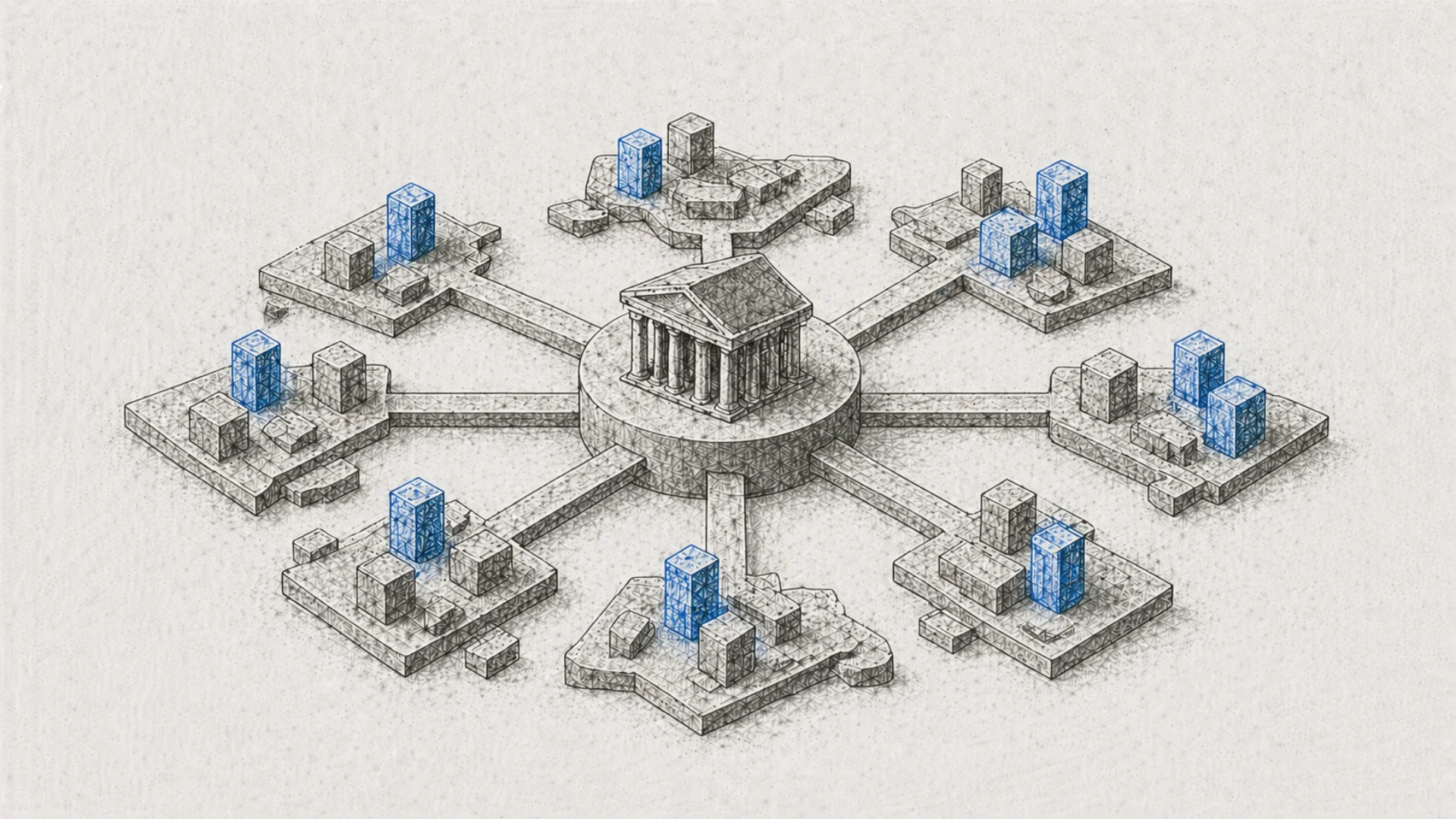
The title alone carries weight. Founding Capital: Designing Opportunity in America’s First City. That is not branding, that is a thesis. Philadelphia is not being treated like a backdrop. It is the experiment. A legacy market with institutional muscle, research density, and a question hanging over it. Can a city design opportunity the way a founder designs a product, with precision, iteration, and accountability. Kevin Kennedy, EVP, North American Markets at Nasdaq, steps into that question from the vantage point of market structure where capital formation is not theory, it is infrastructure. Sylvester Mobley, Co-Founder and Managing Partner at Plain Sight Capital, meets him there from a different angle, where opportunity is not evenly distributed and the work is to close that gap with intention, not slogans. Together, they frame a conversation that forces the startup ecosystem to confront how access and allocation actually function beneath the surface.
The room this creates is not accidental. Founders looking for signal instead of noise. Investors recalibrating what regional conviction actually means. Institutional leaders who control pipelines of talent and research but need alignment with capital to turn potential into velocity. Operators and ecosystem builders who understand that access, ownership, and literacy are not side conversations, they are the system itself. This is not a crowd chasing visibility. This is a room trying to understand where the next cycle of influence gets allocated and why. In a market where geography is being renegotiated, the startup ecosystem is no longer defined by zip codes, but by coordination.
The structure is tight for a reason. Thirty minutes to find your edges, one hour to sharpen them, and a reception where the real work begins. Conversations that start with introductions end with follow ups that carry weight. The kind that turn into capital relationships, institutional partnerships, or strategic pivots that do not show up in headlines but shape them months later. Nasdaq is not just hosting. It is curating collisions with intent, placing a global markets lens directly into a city level conversation about opportunity design, where every interaction has downstream implications for the startup ecosystem.
What makes this different is not scale. It is density. No filler, no excess, just proximity to people who influence how capital flows and how opportunity is defined in the next cycle. In a market that is still deciding where it wants to place its bets, rooms like this are where conviction gets built before it gets deployed.