








Mercury Enters Payroll with Acquisition of Central
Payroll doesn’t usually steal the spotlight. It just shows up, runs on time, and keeps the machine alive. But every now and then, someone turns it into a power move. Mercury just picked up Central, and if you’ve been watching how money moves inside startups, this wasn’t a surprise, it was a missing puzzle piece finally snapping into place. Immad Akhund, Max Tagher, and Jason Zhang built Mercury into the financial backbone for over 300,000 companies, pushing $248B in transaction volume in 2025 alone. Banking, cards, treasury, lending, clean, tight, integrated. But payroll? That 20% of spend quietly sitting off to the side? Yeah, that gap had a name.
Enter Central. Josh Wymer, Pranav Kashyap, and Nilay Modi didn’t build another dashboard to babysit. They built a system that does the work. Payroll, benefits, compliance, taxes, handled through AI agents and human operators like a backstage crew you never see but can’t perform without. Nearly 500 startups bought in, $175M–$200M in payroll processed, and a sharp 30% of customers defecting from incumbents like Gusto, Rippling, and Deel. That’s not curiosity, that’s intent.
And here’s where it gets interesting. Most of Central’s customers were already on Mercury. Read that again. The distribution wasn’t a question, it was already solved. So this isn’t Mercury adding payroll. This is Mercury tightening the loop, turning financial operations into something that feels less like software and more like gravity. You don’t log in, things just happen.
The timing matters too. Off the back of a $300M Series C led by Sequoia Capital at a $3.5B valuation, with Spark Capital, Coatue, CRV, Marathon, and Andreessen Horowitz in the mix, Mercury has been stacking pieces with intent. 3 straight years of GAAP profitability, 50% customer growth, and expansion well beyond the startup echo chamber into ecommerce and beyond. This isn’t experimentation. This is orchestration.
The lesson sitting in plain sight? The best companies don’t chase adjacency, they earn it. Central didn’t win because payroll is sexy. It won because it removed friction founders actually feel. Mercury didn’t acquire features. It absorbed outcomes. And when your product starts delivering outcomes instead of options, customers don’t shop, they settle in.
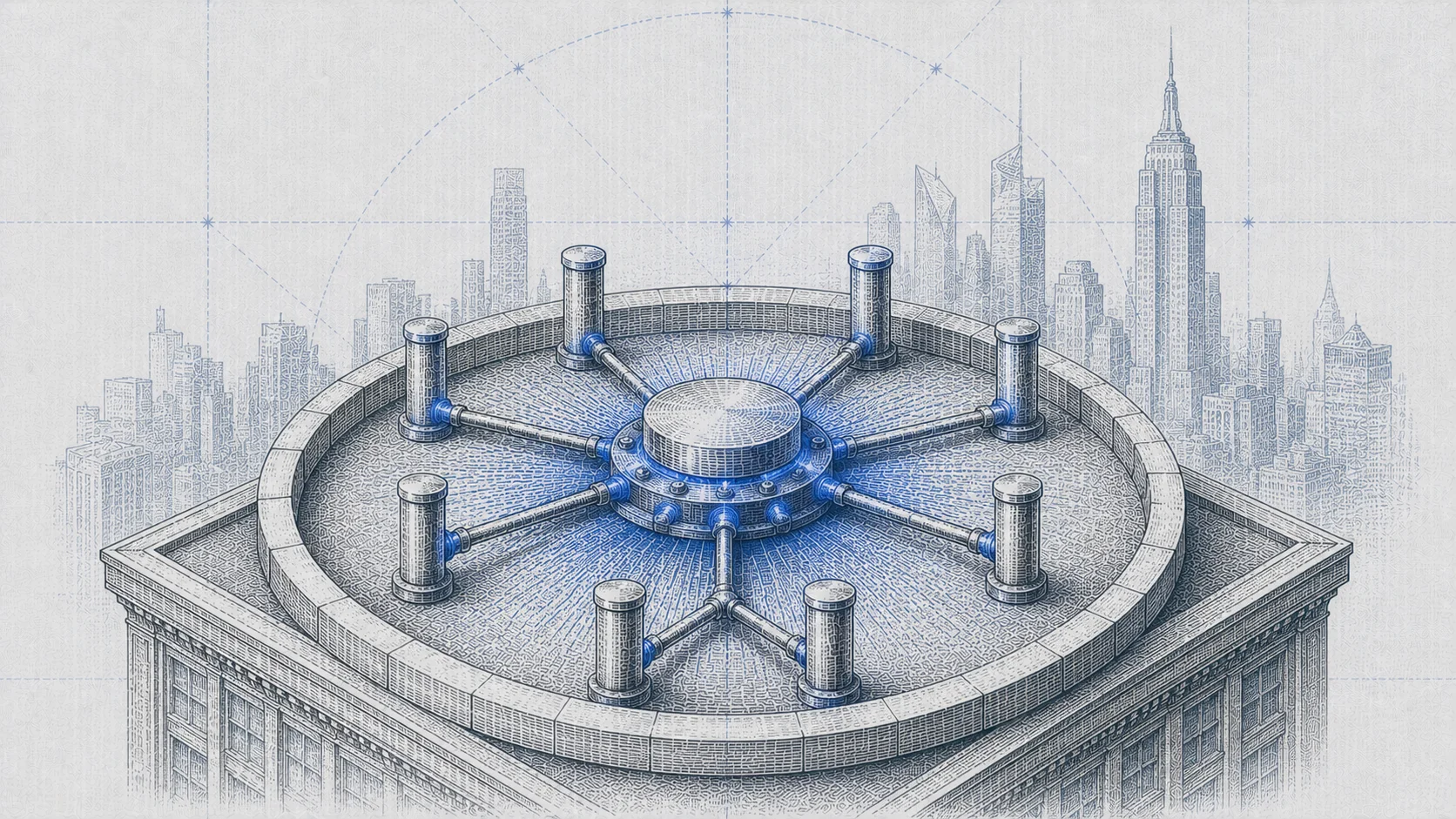
Now you’ve got banking, payments, lending, and payroll moving under one roof, speaking the same language, sharing the same data, and quietly removing the need for half the tools founders thought they needed. Not louder. Just sharper.
Congratulations to Immad Akhund, Max Tagher, Jason Zhang, and to Josh Wymer, Pranav Kashyap, Nilay Modi for building something worth plugging into the core. And credit to Sequoia Capital and the full bench of investors who saw where this was going before it looked obvious. Because when money, compliance, and execution start moving as one system, the back office stops being a cost center… and starts acting like an unfair advantage.