

Gamma’s Gammarama Turns NY Tech Week Into a Live Stress Test for Founders
Gamma’s Gammarama at NY Tech Week puts startup storytelling on a Broadway stage with Malcolm Gladwell, Bobbi Brown, and Mike Birbiglia.
Startups spent the last few years optimizing for speed, automation, and distribution. Faster decks. Faster demos. Faster outbound. Then the market shifted underneath them. Investors became harder to impress, customers harder to hold, and AI made polished messaging cheap enough to mass produce by the hour. The result is a strange modern founder economy where nearly every company sounds competent, but very few sound believable.
Gamma appears to understand that problem better than most. During NY Tech Week, Gamma is hosting Gammarama, a live storytelling event in New York City that blends startup pitching, media culture, and public-stage performance into one unusually ambitious experiment. The event includes a pitch competition on June 3 where 10 finalists will compete for a wildcard slot on the main Gammarama stage later that evening.
That stage matters because the lineup matters. The winning founder will present at Hammerstein Ballroom in front of more than 2,000 attendees alongside Malcolm Gladwell, Bobbi Brown, Mike Birbiglia, and The Abdala Brothers. In practical terms, Gamma is repositioning startup storytelling from investor ritual to public-facing cultural performance. That shift says a lot about where the startup market is heading next.
About Gamma and Gammarama
Gamma is best known as an AI-native presentation and storytelling platform used by startups, operators, and GTM teams to build decks, documents, and visual narratives faster than traditional slide software allows. The company has grown inside a broader AI productivity boom where communication tooling increasingly overlaps with automation, design, and content generation.
Gammarama extends that thesis into the physical world. The event is part of NY Tech Week, the sprawling ecosystem gathering backed by founders, venture firms, and technology operators across New York City. Unlike traditional startup conferences that revolve around panels nobody remembers 20 minutes later, Gammarama is structured around live narrative performance. The pitch competition serves as the opening act to a larger storytelling show hosted by Gamma at Hammerstein Ballroom.
That distinction matters. Most pitch competitions optimize for investor evaluation, while Gammarama optimizes for audience attention. The prize is not capital. The prize is distribution.
Why Gamma’s Timing Matters
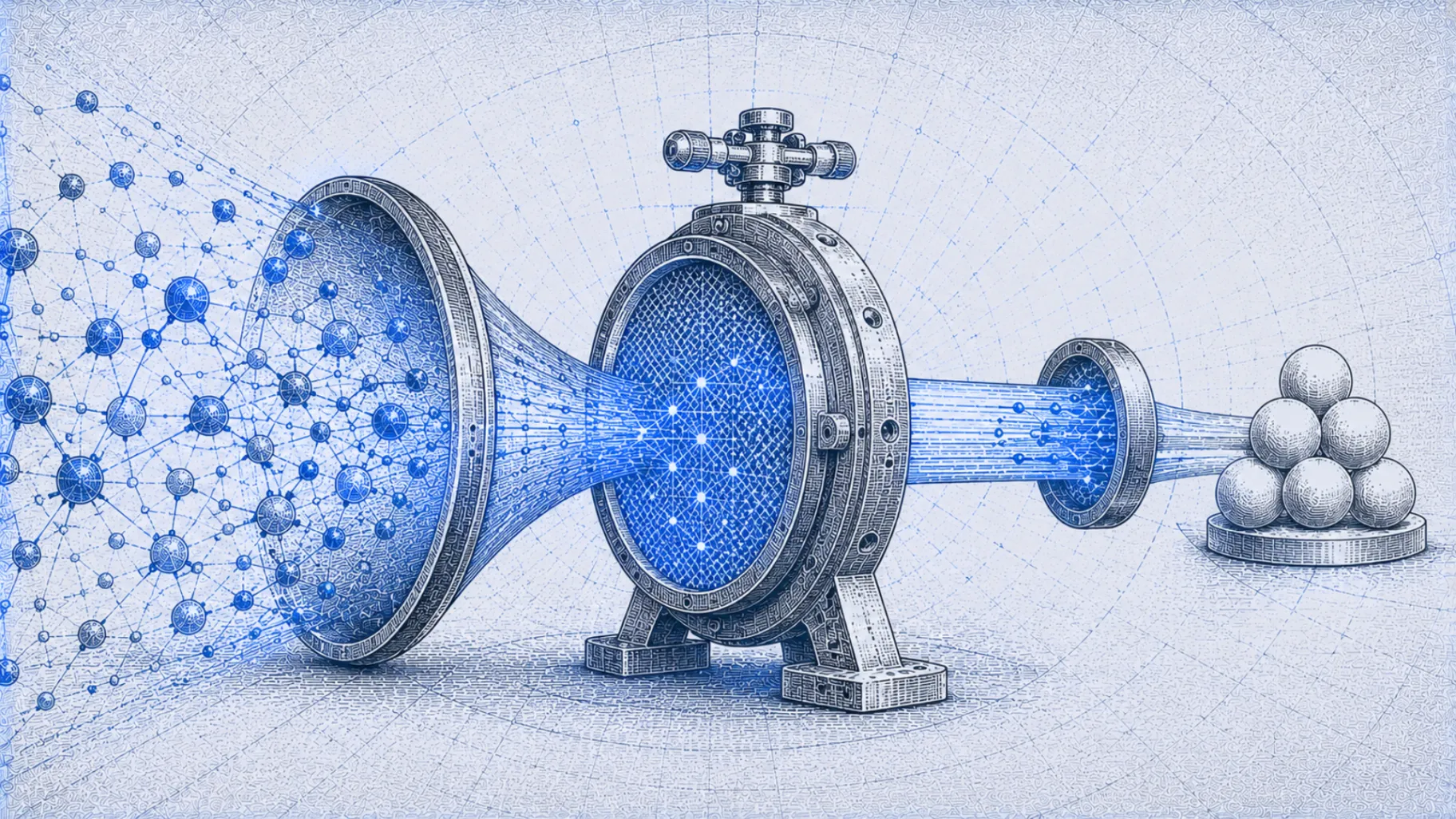
The startup ecosystem currently sits inside an uncomfortable contradiction. AI dramatically lowered the cost of producing content, but simultaneously increased the value of authenticity, clarity, and emotional resonance. Every founder now has access to polished branding, generated copy, synthetic research summaries, and investor-ready decks. The result is a flood of startup communication that often feels technically correct and emotionally vacant.
That tension explains why events like Gammarama suddenly feel strategically important. Gamma is effectively betting that narrative has become infrastructure. Not marketing garnish. Not founder vanity. Infrastructure. That may sound dramatic until you look at how modern startups actually scale. Enterprise sales increasingly depend on founder credibility. Recruiting depends on mission clarity. Fundraising depends on narrative compression. Distribution increasingly rewards personality over polish.
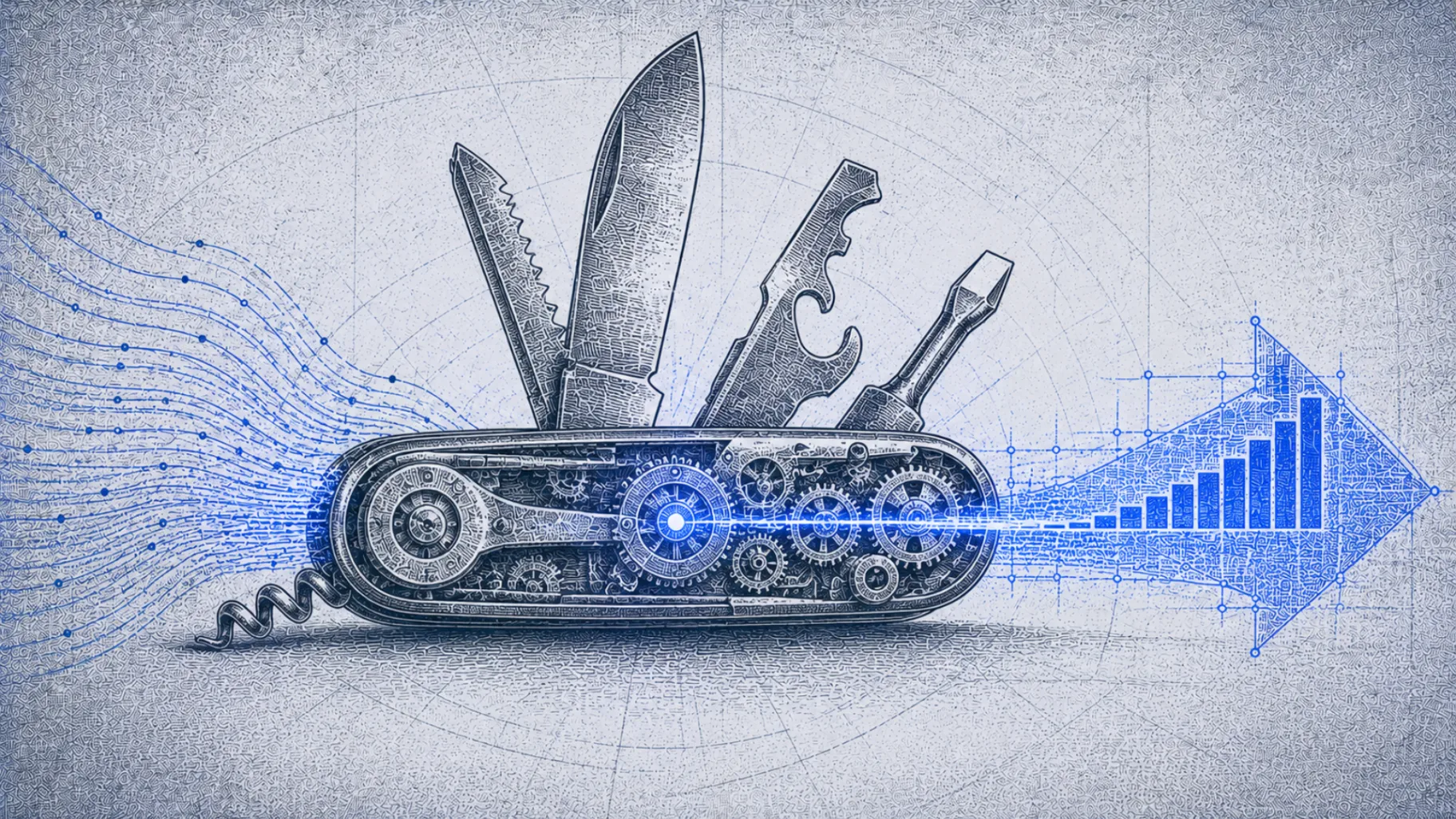
In AI markets especially, where products can look nearly identical from the outside, storytelling becomes one of the last remaining forms of defensible differentiation. Founders used to treat communication as support work. The market now treats it as operating leverage.
Why the Speaker Lineup Signals a Broader Shift
The Gammarama lineup reflects a larger collision happening across technology, media, entertainment, and founder culture. Malcolm Gladwell represents narrative authority in business thinking. His work helped shape how executives discuss decision-making, social behavior, and influence itself. Bobbi Brown represents founder-led consumer branding before “personal brand” became mandatory startup vocabulary.
Mike Birbiglia brings something most tech events severely lack: timing, tension, and audience control. The Abdala Brothers reflect the internet-native creator economy now shaping how younger founders think about visibility and attention. Taken together, the lineup looks less like a standard technology conference and more like a cultural calibration exercise for modern operators.
That is probably intentional. For years, startup ecosystems separated technical credibility from public communication. Founders built products while media personalities built audiences. That line is collapsing quickly. The modern founder increasingly operates like a hybrid of executive, creator, recruiter, public intellectual, and entertainer because distribution now shapes market power.
Why NY Tech Week Became the Right Stage
NY Tech Week evolved into something larger than a conference circuit. It now functions more like a live infrastructure layer for the startup ecosystem itself. Venture firms host private dinners. Operators exchange hiring intelligence. Founders chase partnerships, distribution, and social proof across hundreds of overlapping events. Attention compounds unusually fast inside that environment.
Gamma appears to recognize that dynamic clearly. Its broader NY Tech Week programming includes a GTM decks workshop, AI demos and networking events with Lorimer Ventures, Zo Computer, and Windmill, followed by the Gammarama pitch competition and main-stage storytelling show. This is not random event programming stitched together for logo placement. It is ecosystem choreography.
Gamma is building a funnel around narrative itself. That approach reflects a broader market evolution happening across enterprise AI, startup infrastructure, and creator-driven business models. Companies increasingly compete not only on product capability, but on the ability to explain complexity in emotionally coherent ways. The founders who understand that shift early tend to control attention longer than competitors expect.
What Gammarama Signals About Startup Culture
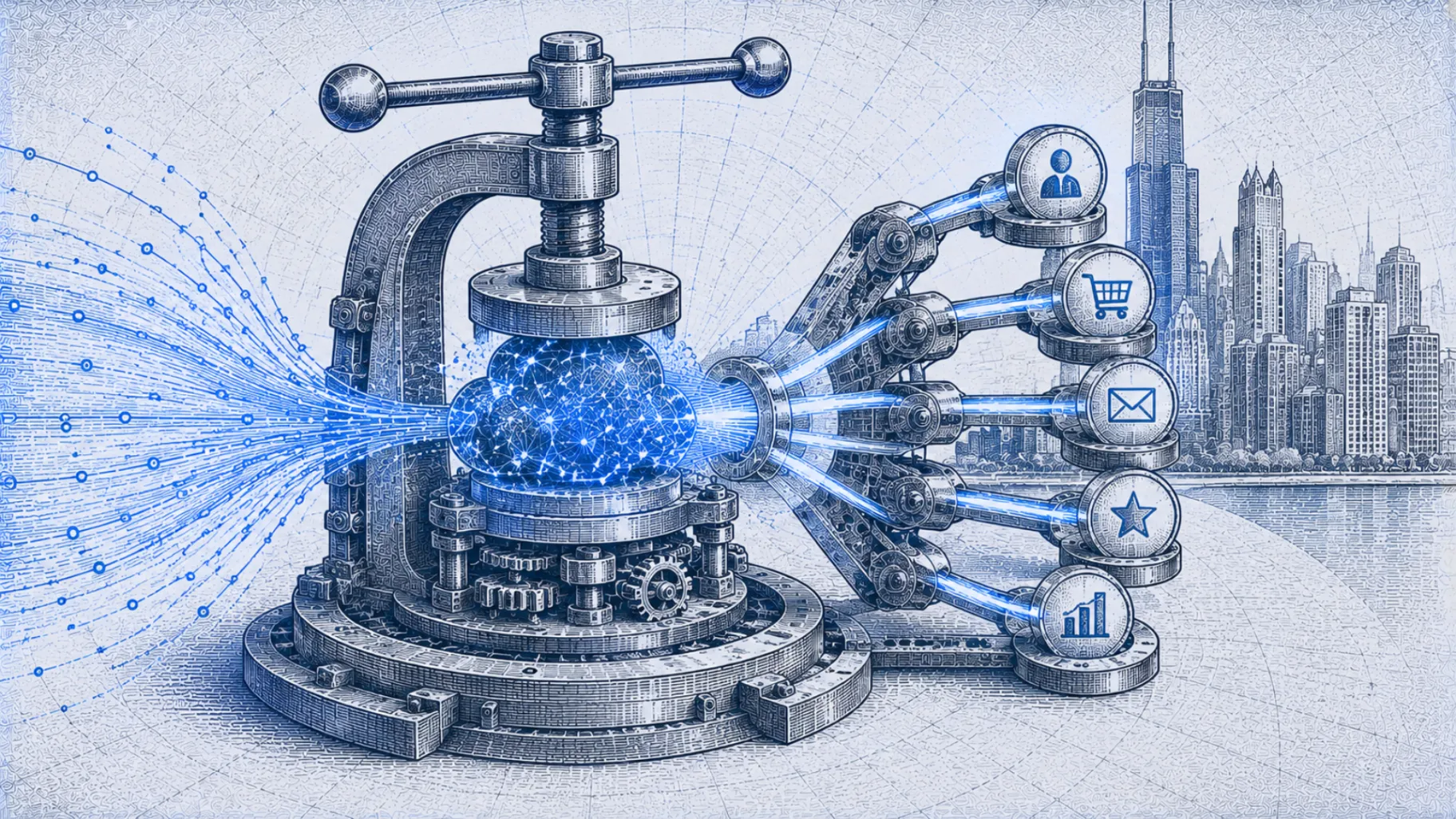
Gammarama signals that startup storytelling is becoming public-facing performance infrastructure rather than private fundraising theater. Traditional pitch events were built around gatekeepers. Venture capitalists evaluated founders behind closed doors, often rewarding pattern recognition over originality. Gammarama flips that structure outward, making the audience part of the validation mechanism.
That changes founder incentives immediately. The founders who stand out in environments like this are rarely the ones with the most polished jargon. They are the ones capable of explaining conviction clearly under pressure while holding audience attention in real time. In an AI-saturated market filled with generated sameness, that skill suddenly looks less cosmetic and more strategic.
Frequently Asked Questions
What is Gammarama?
Gammarama is a live storytelling event hosted by Gamma during NY Tech Week in New York City. The event combines a startup pitch competition with a larger main-stage storytelling show.
Who is hosting the Gammarama pitch competition?
Gamma, the AI-native storytelling and presentation platform, is hosting the event as part of its NY Tech Week programming.
When is the Gammarama pitch competition?
The Gammarama pitch competition takes place on June 3 from 4–6 PM ET during NY Tech Week.
Who is speaking at Gammarama?
The main Gammarama storytelling show includes Malcolm Gladwell, Bobbi Brown, Mike Birbiglia, and The Abdala Brothers.
What does the winning founder receive?
The winning founder earns a wildcard slot on the Gammarama main stage at Hammerstein Ballroom alongside the featured speakers, plus a lifetime Gamma subscription.
Why does Gammarama matter for founders and investors?
Gammarama reflects a broader shift in startup culture where storytelling, audience attention, and founder communication are becoming strategic assets alongside product development and fundraising.