There is a quiet tension moving through the startup ecosystem right now. Not the loud kind that flashes across funding headlines or quarterly venture reports. The deeper kind. Founders are asking harder questions than growth curves. Investors are asking harder questions than returns. What actually keeps a company honest once success arrives carrying a suitcase full of incentives. History is crowded with brilliant companies that did not collapse from a lack of intelligence. They drifted because the structure of success quietly changed the behavior inside the organization.
Eric Ries has been circling that question in public conversations for months, and the discussion keeps getting sharper. The architect of The Lean Startup, whose work helped an entire generation of founders move faster, is now focused on something heavier than speed. Durability. The possibility that the most valuable companies of the next era may not simply be innovative but structurally incorruptible.
On March 12, Eric Ries brings that thesis to LinkedIn Live in a conversation titled The Investment Case for Incorruptible Companies. It is not framed as philosophy. It is framed as capital markets logic. When investors begin evaluating governance structures, mission locks, and accountability frameworks with the same seriousness as product velocity, the conversation around venture capital changes in a meaningful way.
You can see the pattern forming across the broader startup ecosystem. Earlier this year Eric Ries joined the Incorruptible Organizations AMA hosted by UpTrust, where Pete Michaud pushed the discussion toward practical mechanics. How organizations drift. How incentive systems quietly reshape behavior. How structural design can slow that drift before it becomes irreversible.
Shortly after, Unshackled Ventures hosted a LinkedIn Live conversation between Eric Ries and Reid Hoffman introducing the ideas behind the upcoming book Incorruptible. The discussion expanded the thesis beyond founders to the people who finance them, asking how venture investors themselves might think differently about governance and long-term company design.
The conversation continues to expand into other rooms. On April 7, Eric Ries takes the stage at the Long Now Foundation inside the Cowell Theater in San Francisco for Incorruptible by Design, a talk facilitated by Denise Hearn that places the conversation inside the context of institutional longevity. Interintellect is also hosting a salon titled How Great Companies Stay Great, bringing founders and operators together in a smaller forum to unpack the same structural questions.
The pattern is difficult to ignore. Eric Ries is not simply promoting a book. Eric Ries is pressure testing a thesis across founders, investors, and operators simultaneously. If incentives shape behavior, and structures shape incentives, then the next competitive advantage inside the startup ecosystem may not be speed or scale. It may be the deliberate architecture of companies designed to resist their own success.
That is what makes the March 12 conversation feel less like another livestream and more like a signal. The venture world spent the past 2 decades mastering acceleration. The next phase of the startup ecosystem may be defined by something slower, harder, and far more consequential: building companies that can endure the gravity of their own incentives without losing the mission that created them in the first place.
 Goldman Sachs|
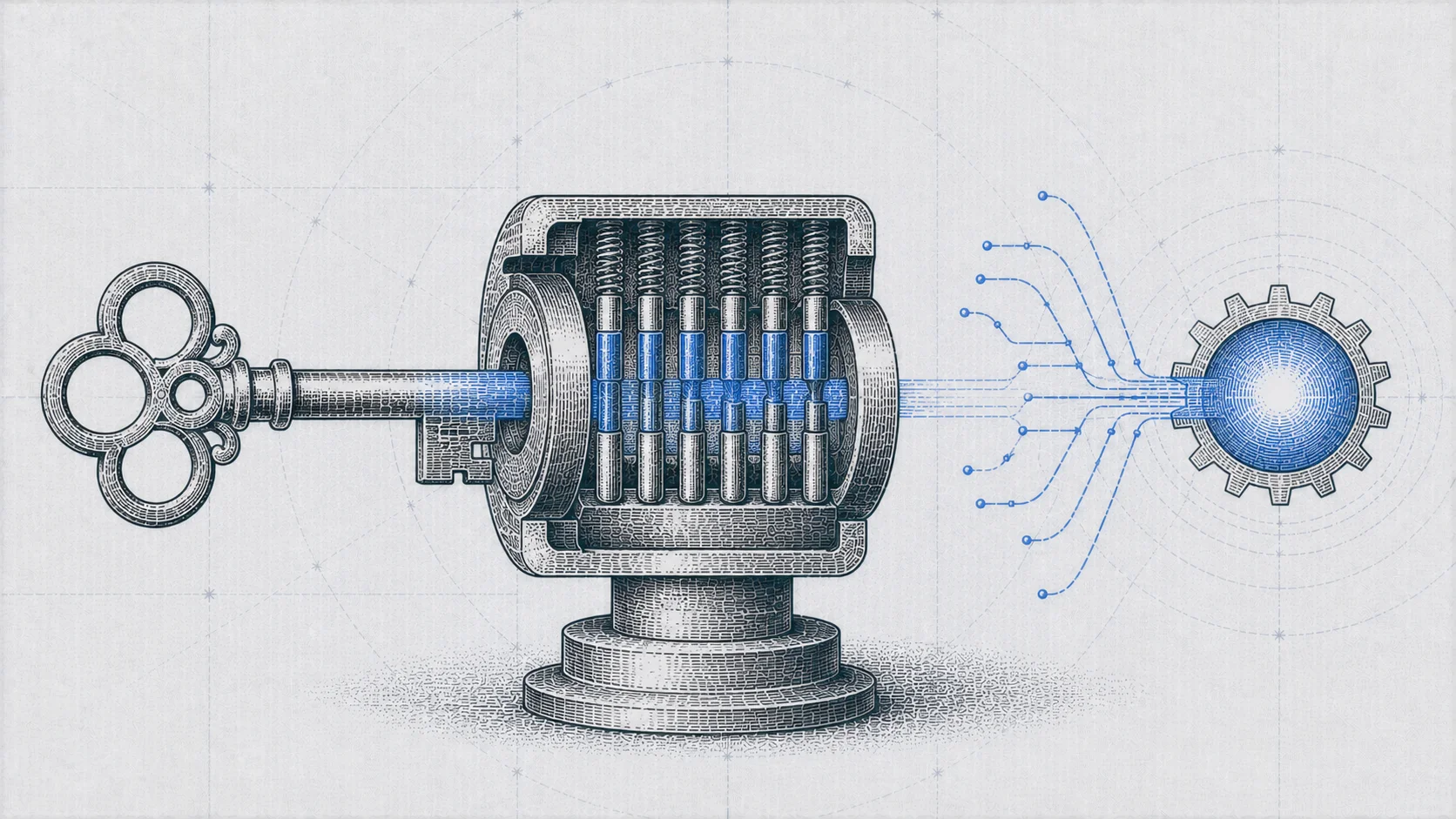 Hiring Cheat Codes Every Founder Needs: TriNet, Supermoon and Resident NYC Workshop|
 Applitools|
 Walden Robotics Raises $300M to Put Physical AI to Work|
 Pure Raises $8M Seed for Real Money Gaming Infrastructure|
 Bunkerhill Health Reaches $55M to Scale Carebricks|
 ORANGE JUICE Raises $40M for Bitcoin-Backed Permanent Capital|
 Intrinsic Power Closes Seed Funding to Scale AI Power Infrastructure|
 Thira Raises $21M Seed Round to Build Enterprise AI Execution Layer|
 NxLite Raises $16.6M to Scale Energy-Control Coatings for Climate Tech|