








The Last Loft: Founders Common x The Builder Series and the Shift Toward Private Founder Infrastructure
Fatigue is setting in across the startup circuit, but it does not show up as burnout. It shows up in repetition. Founders still move through rooms, still exchange handshakes, still stack contacts that rarely convert into anything meaningful. Energy is high, signal is low. Connection is everywhere, recognition is rare. Inside the modern startup ecosystem, that gap is widening, where access is abundant but trust is scarce, and the difference between the two is starting to compound.
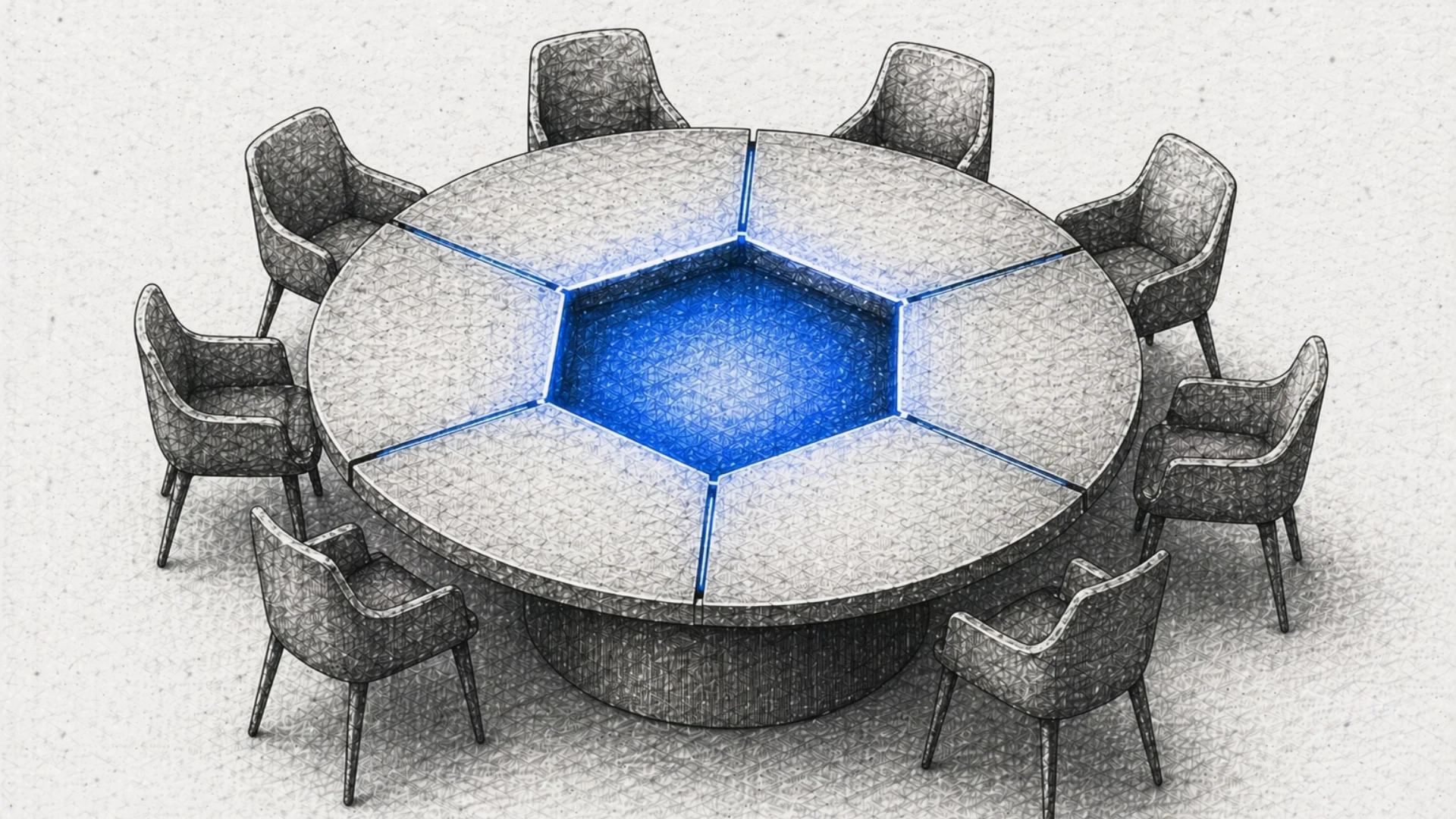
That is the pressure point FC NYC • Founders Common x The Builder Series Social (April 24) walks straight into. Not as a correction, but as a counterweight. The broader market is saturated with scale, panels, and polished talking points, while the real leverage has moved underground into smaller, tighter circles where trust compounds instead of impressions. This is structural. When the startup ecosystem gets noisy, the advantage shifts to rooms that can hold attention without asking for it, where conversations last longer than agendas and presence carries more weight than positioning.
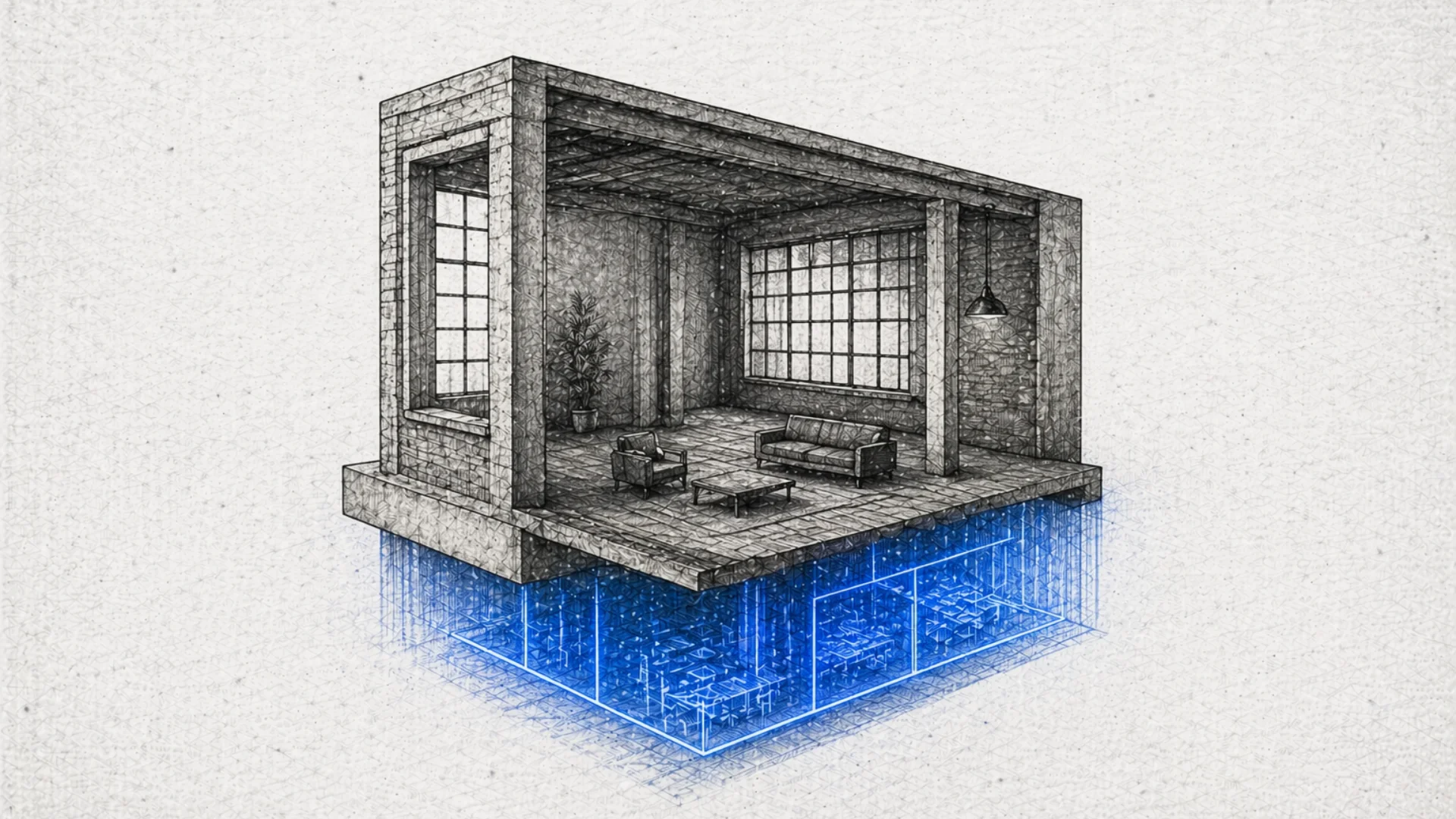
Step inside the Founders Common loft for the final time and it plays less like an event, more like a closing scene. Roughly 90 people, filtered through approval instead of open access. Cameras are present but not intrusive. A photo-op station captures the composed version, a second lens hunts for what is real, and somewhere in the room a founder records a 60 second clip that may outlive their current build. No stage, no panel, no performance. Just momentum moving between conversations, the kind that travel faster than decks and settle deeper than follow-ups.
The gravity in the room comes from who built it. Damian Tenuta and Brian Heiligenthal turned founder isolation into motion, then into structure, now spanning 9,000+ founders across 100+ sold out events. Dylan Oriundo built The Builder Series to 40,000 members in under 6 months without paid acquisition, proving distribution can still be earned in a system that usually rents it. Different approaches, same outcome. Density that sharpens the room instead of diluting it, something the broader startup ecosystem has struggled to maintain at scale.
Louisa Li extends that framework through Shanti House, integrating wellness into the founder experience without turning it into theater. And in the background, Founders House is already taking shape in Flatiron, capped at 50 founding members, converting what was fluid into something fixed. Scarcity here is not positioning. It is filtration. In a market where everything is accessible, the edge comes from what is not.
Here is where the signal gets clear. Rooms like this are not about who you meet that night. They are about which network you enter before it closes. When a community moves from open to structured, access shifts from casual to earned. The final night in the loft carries weight because everyone in that room understands they are standing at the edge of a transition point inside the startup ecosystem, whether they articulate it or not.
So while the broader market continues optimizing for reach, this room is optimizing for recall. Not who was there, but who is remembered as being part of it. In a cycle where attention is cheap and trust is expensive, that distinction becomes leverage. And by the time most people recognize it, the room has already changed, the network has already tightened, and the next layer of access is no longer ambient.