


Pulse NYC’s Jaime Schwarz and MRKD.dj Leadership Push Agentic Media Into the Center of AIWeekNY
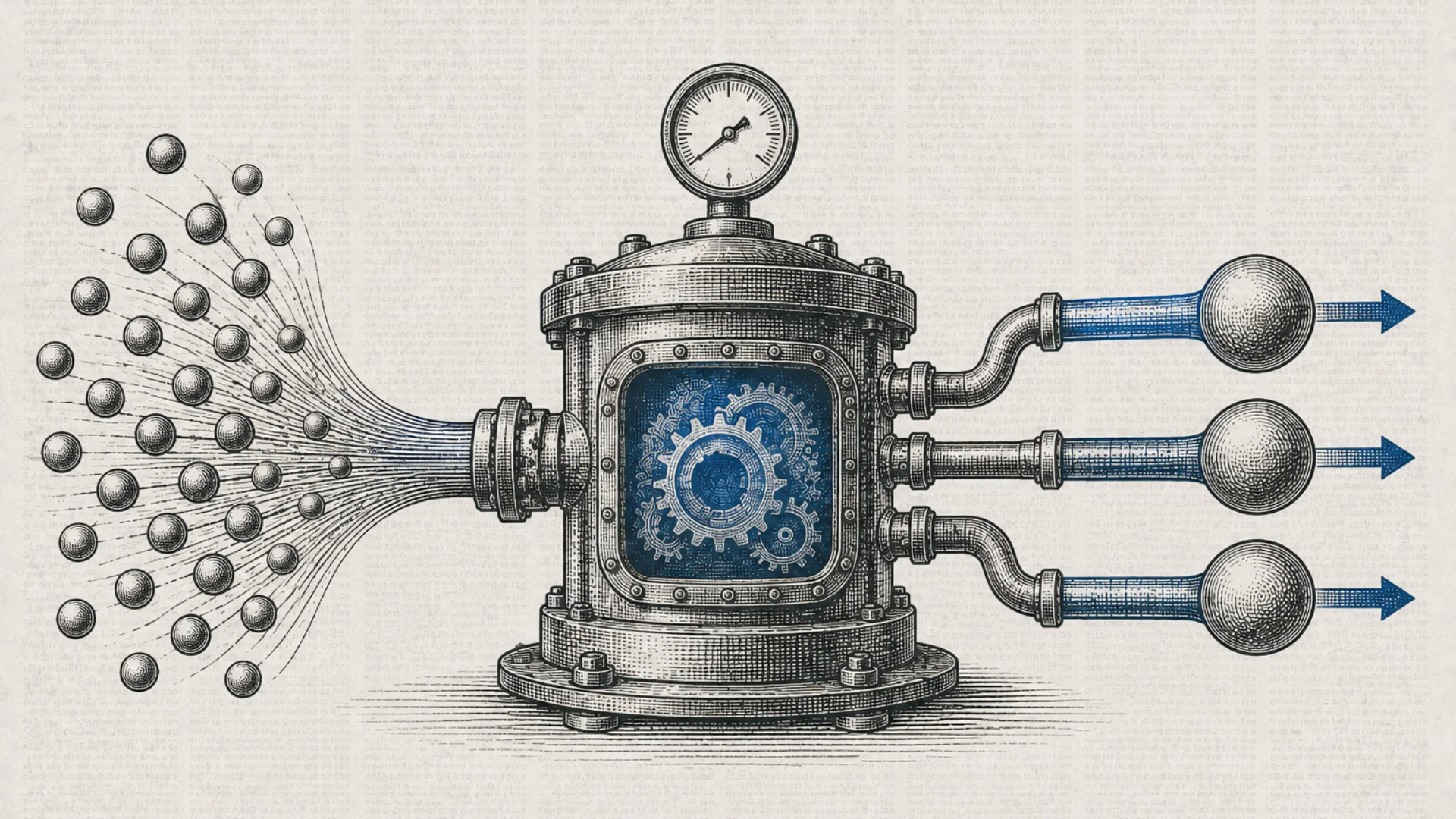
Markets move in phases. First the technology arrives, then the capital floods in, then operators start asking whether the system can actually carry its own weight without humans manually stitching every workflow together at 2:00 AM on Slack. That pressure is sitting directly underneath “Are You Ready For Agentic Music? IP, AI, and Collective Media” on May 16, and for anyone tracking the future of AI infrastructure, rights management, entertainment, or the startup ecosystem, this session feels less like a panel and more like an early market signal.
Music has always absorbed disruption before the rest of the economy catches up. Napster arrived before streaming normalized digital access. Streaming reshaped subscription behavior before nearly every consumer platform followed. Now the next collision is forming around agentic systems, autonomous software capable of executing tasks instead of simply generating outputs. The language attached to this event says it plainly: music that can play, promote, license, and sell itself. That is not a branding exercise. That is a direct challenge to the economics of media, ownership, distribution, and attribution.
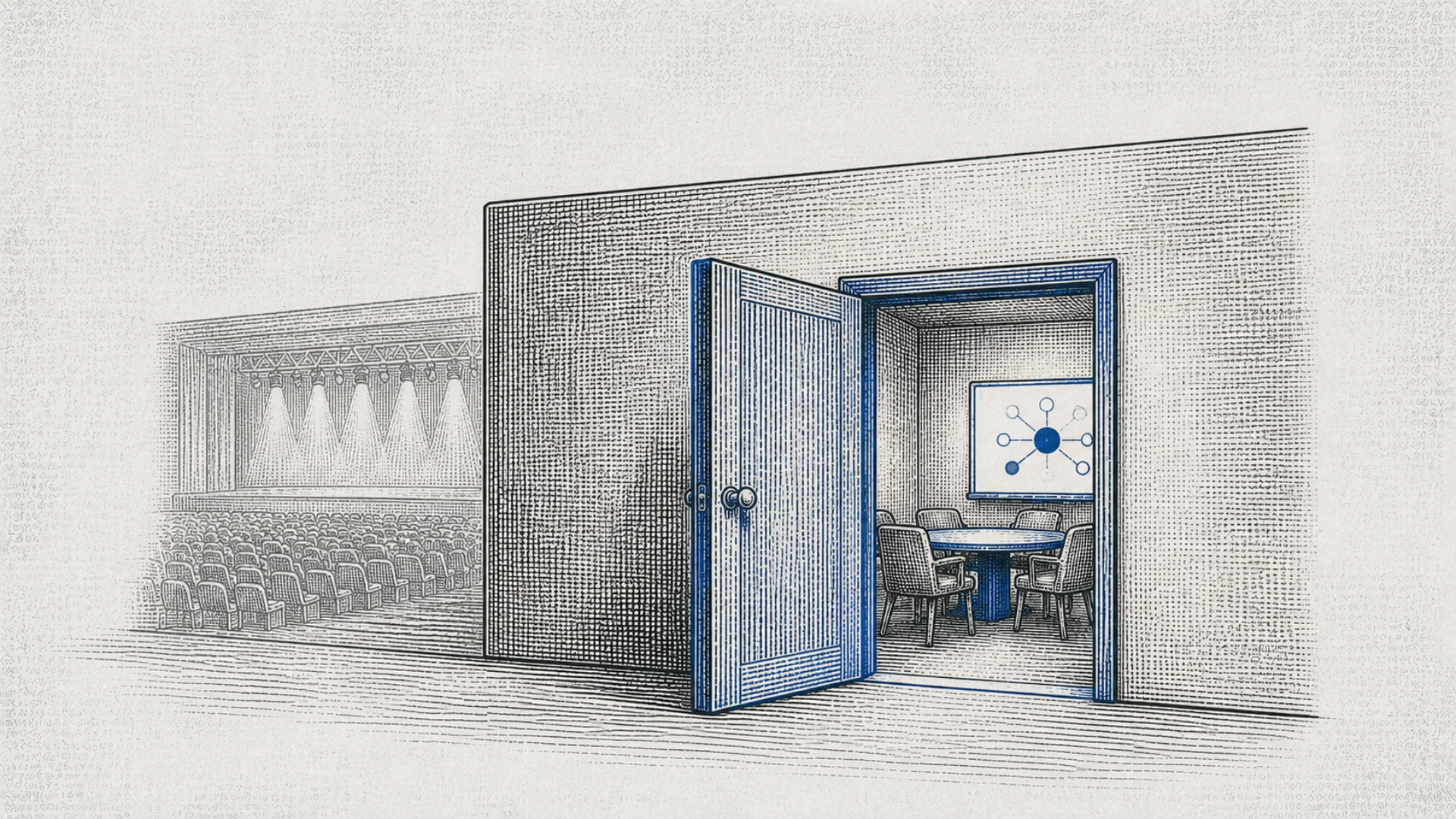
Hosted by Jaime Schwarz and Pulse NYC as part of #AIWeekNY, the session takes place May 16 via Google Meet. Jaime Schwarz joins the founder, CTO, head of design, and CXO of MRKD.dj for what is positioned as a deep, participatory discussion around AI-native music systems and collective media. The format matters. Small rooms are becoming more valuable than massive convention-center cattle calls where everybody performs intelligence instead of exchanging it. That combination creates something far more useful than another recycled “future of AI” conversation. Vision, infrastructure, interface design, and customer behavior all sitting in the same room at the same time.
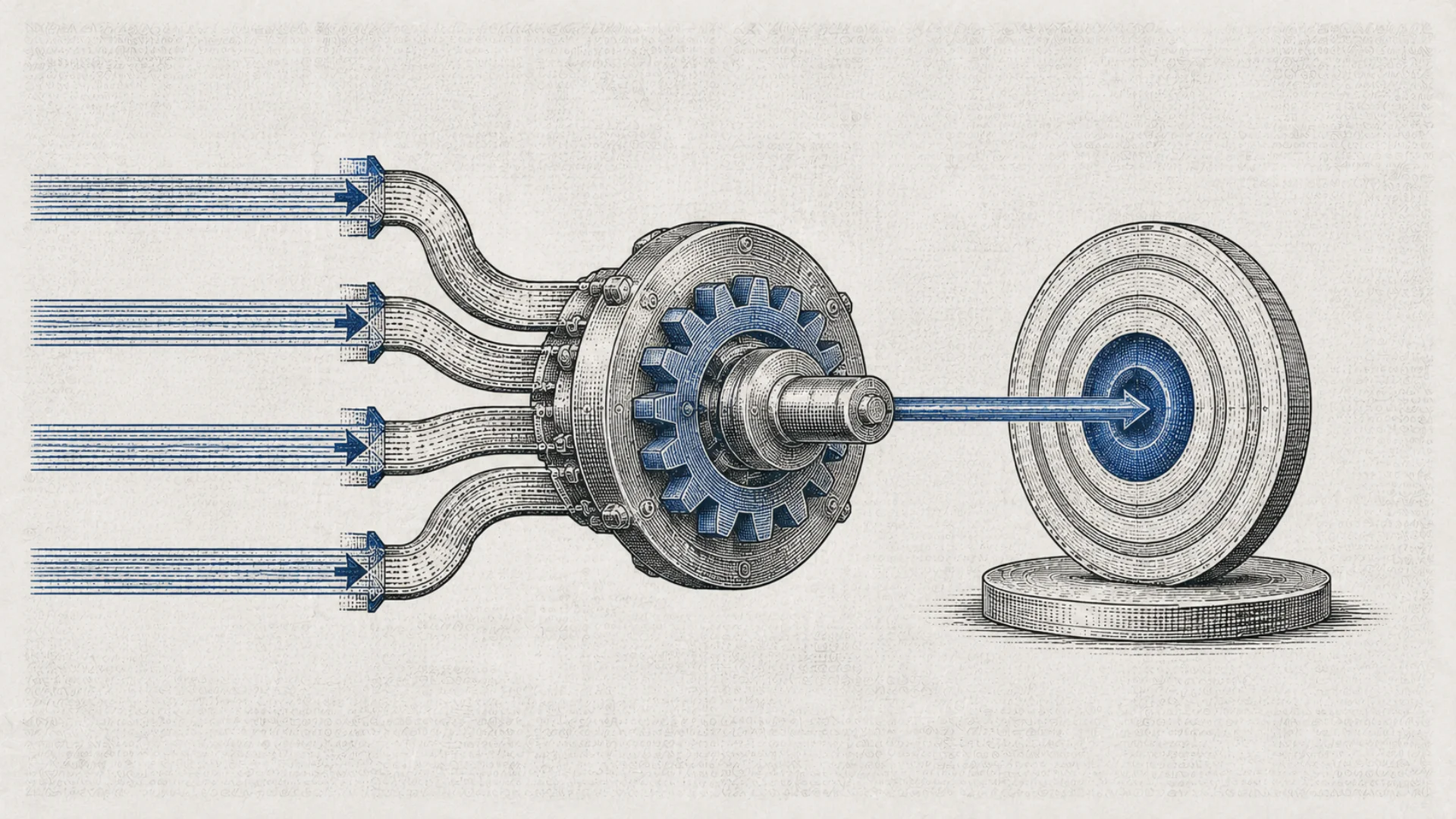
MRKD.dj occupies an especially interesting position because the company focuses on rights-cleared DJ sets with royalties built in. That detail carries weight. Most AI conversations drift into abstraction within minutes, like venture-backed philosophy podcasts pretending to be operating strategy. This one stays anchored to operational pressure points: IP governance, licensing complexity, monetization pathways, autonomous promotion, and audience ownership. Founders will see practical implications for orchestration layers and agentic workflows. Investors will see early indicators for how AI agents move from novelty into recurring economic infrastructure. Product leaders and designers will see how human interaction changes once media itself becomes responsive, adaptive, and commercially active.
The phrase “heavy audience participation” may be the most important line in the entire event description. Passive webinars die the second somebody opens another tab. Interactive rooms generate collisions. Operators surface edge cases. Builders compare frameworks. Someone wrestling with licensing friction talks to someone building orchestration infrastructure and suddenly the next company gets born quietly between questions. That is usually how meaningful shifts move through the startup ecosystem anyway. Not through headlines first, but through concentrated conversations where smart people pressure-test uncomfortable ideas before the broader market catches on.
The real signal here is not that AI can make music. Everybody already understands that chapter. The signal is that the industry is beginning to explore whether media itself can become agentic, autonomous, economically active, and continuously adaptive. Once that door opens, music is simply the first industry willing to say the quiet part out loud.