




AI Week New York’s Private Strategy Room Signals the End of AI Theater
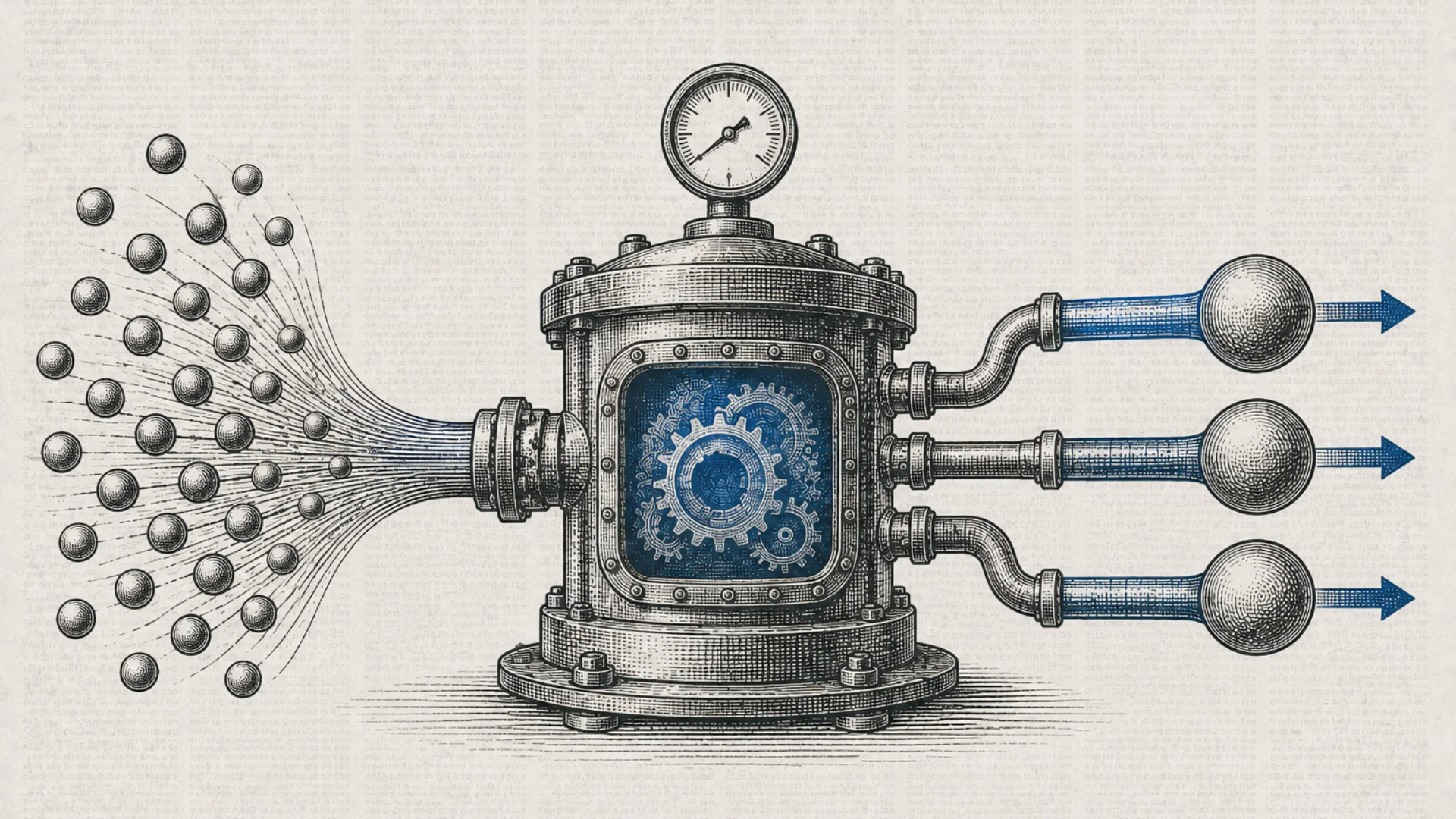
Nobody rings a bell when an industry moves from experimentation to accountability. The mood just changes. Budgets tighten. Expectations sharpen. Deadlines stop caring how complicated the infrastructure is underneath the demo. AI teams across tech are feeling that shift in real time as companies push beyond prototypes and into production systems expected to operate with speed, reliability, and measurable business impact. Investors want efficiency. Executives want deployment yesterday. Users want seamless experiences without understanding the operational chaos required to deliver them. The market keeps demanding certainty from systems built on probabilities, and every engineering team in the room knows exactly how dangerous that equation can get.
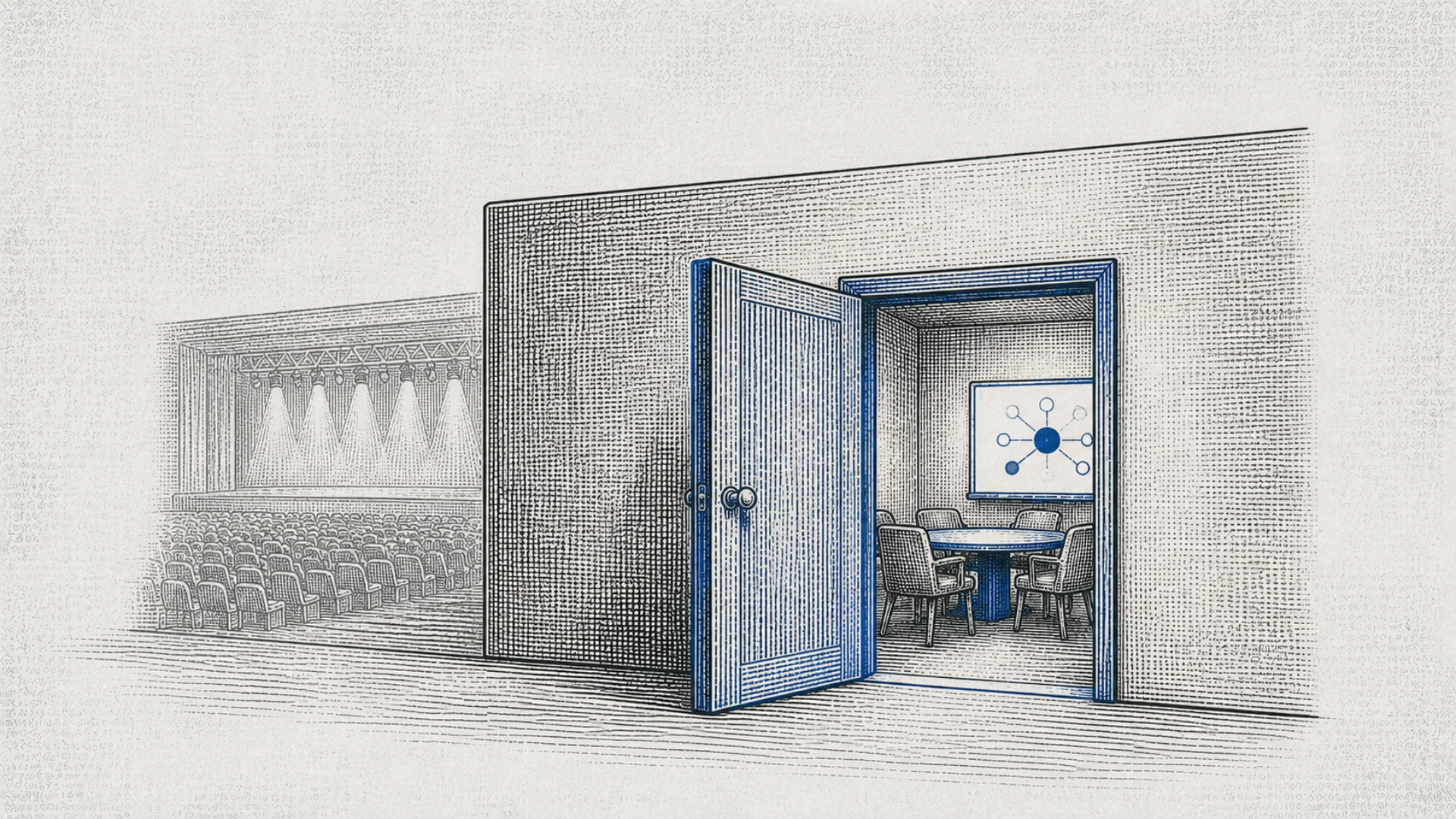
That pressure is exactly why the “#AIWeekNY Private Roundtable: AI/ML Strategy & Innovation” on May 17, 2026 matters. Hosted by Christopher Lee and Pulse NYC as part of AI Week New York’s Spring 2026 programming, this is a private session designed for practitioners actually carrying the operational burden of AI adoption. The official positioning cuts straight through the noise: real-world challenges, emerging models, advanced MLOps, and practical approaches for scaling AI systems in production. Leadership strategist and “Scrappy Project Management” author Kimberly Wiefling adds another layer to the conversation through a perspective rooted in execution, organizational alignment, and what Kimberly Wiefling describes publicly as becoming an “AI-augmented leader.” No stage acting. No keynote choreography. No executive pretending a pilot project equals transformation because somebody added “copilot” to the product roadmap.
That distinction matters because the room changes when the audience changes. A curated strategy session with limited seats forces a different level of honesty. Senior ML engineers, AI leads, product operators, and technical founders stop performing and start comparing scar tissue. Which orchestration stack collapsed under scale. Which deployment path quietly burned 6 months. Which vendor sold certainty and delivered a PowerPoint with trust issues. Those conversations carry more strategic value than 3 days of polished conference panels where every company somehow claims to have solved reliability, governance, latency, and cost optimization simultaneously.
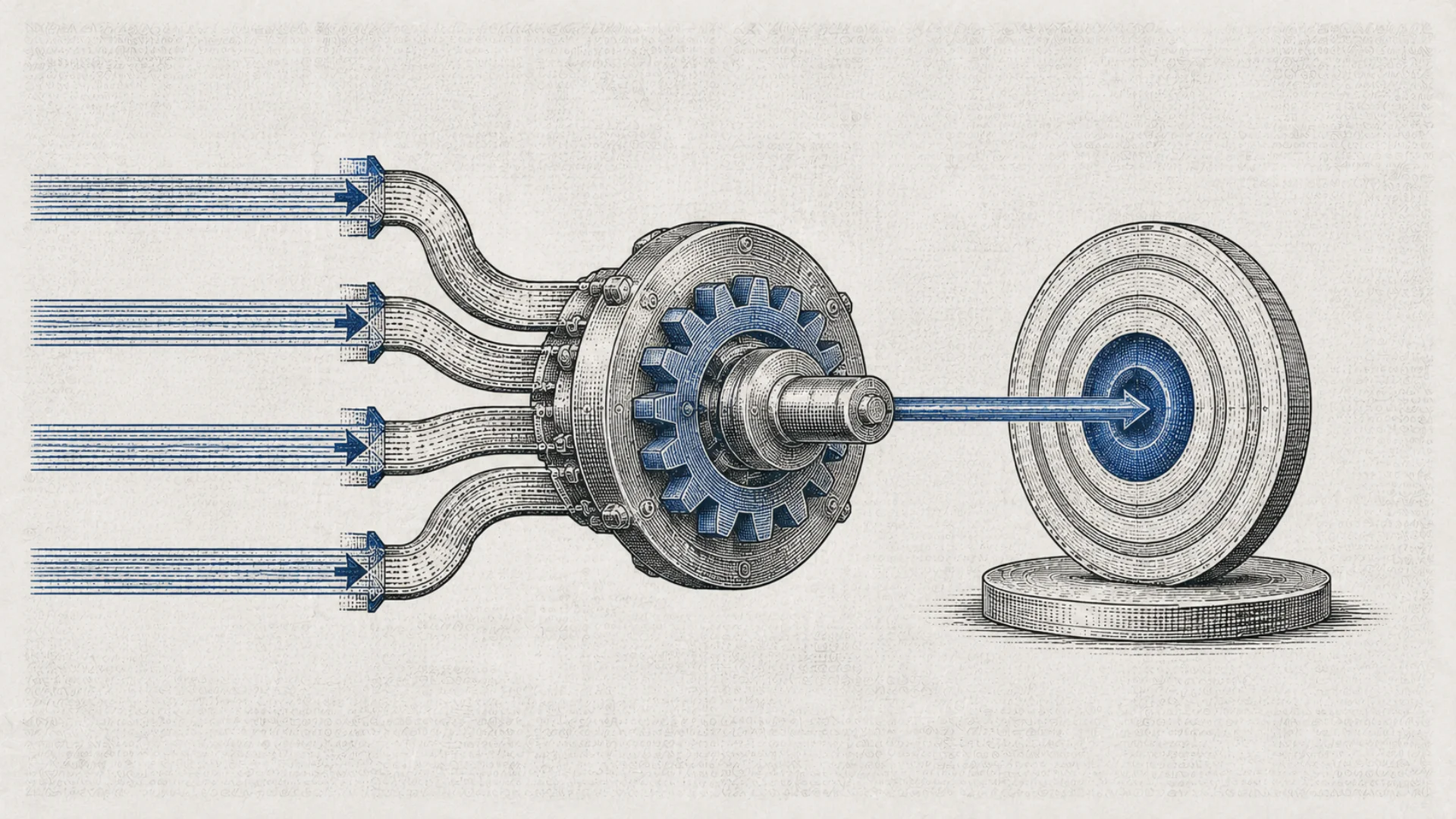
Pulse NYC understands something much of the modern startup ecosystem still struggles with: signal does not come from volume. It comes from proximity to people doing the actual work. AI Week New York creates the gravity, but rooms like this create the traction. One gathers attention. The other sharpens execution. That difference is becoming increasingly important as AI shifts from experimental tooling into operational infrastructure embedded directly into products, workflows, hiring decisions, compliance systems, and enterprise economics.
The broader market narrative still loves futurism because futurism sells. But the people building production-grade AI systems are now dealing with a different reality entirely. Reliability matters. Monitoring matters. Governance matters. Cost curves matter. A hallucination inside a demo is comedy. A hallucination inside production becomes liability, churn, and a midnight Slack channel nobody wants to join.
That is why smaller, practitioner-led rooms inside the startup ecosystem now carry disproportionate influence. They compress feedback loops. They surface operational truth faster than public narratives can keep up. And increasingly, they are where the next phase of AI adoption gets negotiated quietly between the people responsible for making these systems function when the cameras are gone and the market stops applauding.