



GridStor Secures $220M for Arizona Battery Storage
Arizona's power problem is not abstract. It arrives during a specific hour when air conditioners, factories and data centers are pulling hardest, solar production is fading, and the grid still has to answer immediately.
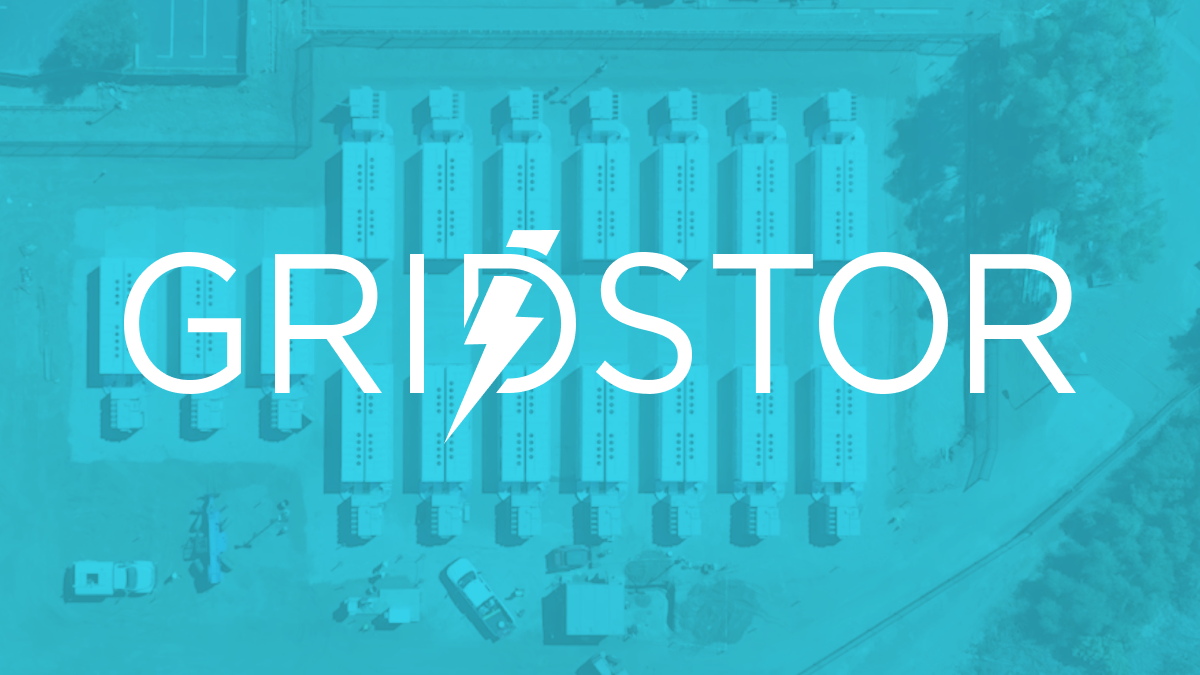
GridStor has closed $220M in tax equity bridge, construction and term debt financing to finish the White Tank Reliability Project, a 100 MW / 400 MWh battery storage facility in Maricopa County. The package from ING Capital, KeyBank and Zions Capital Markets moves the project toward service in the first half of 2027.
White Tank has a 20-year tolling agreement with Arizona Public Service. That contract gives APS the ability to charge and discharge the battery around system needs, while giving the project the kind of long-term commercial structure that can support construction and operating debt.
What GridStor Financed
The $220M financing combines a tax equity bridge, construction debt and term debt. The proceeds are tied to completion of White Tank, not a corporate equity round for GridStor, and the company did not disclose the interest rate, maturity, allocation among facilities, tax-credit counterparty or total project cost.
White Tank is rated at 100 MW of power and 400 MWh of energy, which means it can discharge at full output for four hours. GridStor says the project will sit on a nine-acre operating footprint within a property of more than 50 acres, immediately east of APS's Colter substation.
The company acquired White Tank from Strata Clean Energy in September 2025 with the APS contract already in place. Strata remained in a consultative role through the development handoff, giving GridStor a project with a customer, interconnection context and defined operating schedule rather than an empty patch of desert waiting for a business model.
The Contract Behind the Battery
A tolling agreement separates the physical asset from the dispatch decision. GridStor owns and operates White Tank, while APS can schedule charging and discharge to meet the utility's system needs over the 20-year term.
That matters because project lenders need more than a forecast that battery storage will be important. They need a path from a specific asset to durable cash flow, construction milestones and debt repayment. White Tank's utility contract does not eliminate construction or operating risk, but it gives the project a commercial foundation that merchant price optimism cannot provide by itself.
The financing partners bring different pieces of power-market and project-finance experience. ING Capital, KeyBank N.A. and Zions Capital Markets were named in the close, with KeyBanc Capital Markets describing its role as arranging the financing. GridStor did not disclose the syndicate's economics or identify a single lead lender, so the public record supports the partnership but not a more detailed league table.
Why Arizona Needs the Capacity
APS reported an all-time peak of 9,164 MW between 6 and 7 p.m. on August 2, 2026. That exceeded the 9,053 MW record set only nine days earlier, turning grid planning into something closer to a live endurance test than a long-range policy exercise.
A four-hour battery can move electricity into that evening pressure window, respond quickly when conditions change and reduce the amount of new generation that must be running every minute to cover the highest hour. White Tank will not create energy, and one project will not solve Arizona's growth challenge, but dispatchable storage can make existing and new supply available when timing matters most.
GridStor estimates the project can provide the daily peak-hour equivalent of power for 80,000 households. It also projects about 50 construction jobs and more than $5M in property-tax contributions benefiting Maricopa County and Agua Fria High School. Those figures remain company estimates until construction and operations produce the actual record.
GridStor's Infrastructure Model
GridStor was founded in 2022 and operates as a battery developer and independent power producer rather than a technology vendor selling storage equipment. Founder and CEO Chris Taylor previously led clean-energy investing for Google's global data-center business and co-founded wind and solar developer Element Power.
The current executive team includes CFO Frank Burkhartsmeyer, CTO Daniel Dedrick, CCO Lance Titus and Spencer Mash, SVP of Finance and Head of Capital Markets. That combination reflects the work behind a storage project: acquire the site, secure interconnection, structure revenue, buy equipment, finance construction, commission the asset and operate it through years of grid and market change.
Funds managed by Goldman Sachs Asset Management back GridStor. The company currently reports 280 MW / 600 MWh in operation, 250 MW / 700 MWh under construction and more than 3 GW of later-stage development projects across the United States.
From Pipeline to Performance
White Tank is part of a financing pattern rather than a first trip to the bank. GridStor financed its 60 MW / 160 MWh Goleta project with $55M of debt in 2023, closed $74M for the 220 MW / 440 MWh Hidden Lakes project in March 2025 and completed a $120M package for the 150 MW / 300 MWh Gunnar project in March 2026.
The company calls White Tank its fourth major financing milestone in 12 months. That pace suggests GridStor is building a repeatable project-finance operation, while the 3+ GW pipeline remains a collection of projects that must each earn a path to construction. Each project still needs a customer, permits, interconnection, equipment, capital and an execution team that can carry the plan into commercial service.
The wider storage market is learning the same discipline. Megawatt announcements are easy to stack into a pipeline; financed projects with contracted revenue and commissioning dates are harder. Lenders are putting money behind the latter because reliability demand has become measurable, not because the phrase energy transition suddenly became better collateral.
What Comes Next
White Tank's next meaningful evidence will come from construction and commissioning. GridStor expects the facility in service during the first half of 2027, when APS should gain a four-hour resource it can dispatch against the evening peaks that have kept breaking Arizona's records.
The financing has already changed the project from a planned asset into a funded obligation. GridStor, its lenders and APS now share a calendar that ends at the same place: a hot Arizona hour when the contract, the battery and the grid all have to perform together.
Frequently Asked Questions
What does GridStor's $220M financing cover?
The package combines a tax equity bridge, construction debt and term debt for GridStor's 100 MW / 400 MWh White Tank battery storage project in Maricopa County, Arizona. It is project-level financing rather than a $220M corporate equity round.
Why is the 20-year APS tolling agreement important?
The agreement gives Arizona Public Service the right to charge and dispatch White Tank around system needs over 20 years. That long-term commercial structure gives lenders a defined asset and contracted operating framework to evaluate.
How much power can the White Tank battery provide?
White Tank is rated at 100 MW of power and 400 MWh of energy, so it can discharge at full output for four hours. GridStor estimates that this is equivalent to serving about 80,000 households during the daily peak-demand period.
When is White Tank expected to begin operating?
GridStor expects the project to enter service in the first half of 2027. Construction and commissioning remain the main execution milestones between financing close and commercial operation.
What does the financing signal about utility-scale battery storage?
It shows that storage projects with utility contracts, defined capacity, interconnection context and a construction schedule can attract multiple forms of project debt. The strongest signal is the combination of rising peak demand and contracted dispatch rights, not the financing amount by itself.
Where the Money Moved
The intelligence briefing of the innovation economy. Funding, M&A, debt and fund closes, read as market signal rather than deal announcements.
Subscribe to Where the Money Moved