






Propel Earth and 1999 AI Convene a 10-Seat Investor Room Around World-Model Infrastructure
Credibility is starting to outrun storytelling in AI, and a lot of narratives are getting exposed on contact. Founders are still selling velocity while investors are underwriting durability. Some rooms reward polished abstraction. Others are starting to demand systems that hold up against the real world. Inside the startup ecosystem, that split is becoming a line you cannot talk your way across.
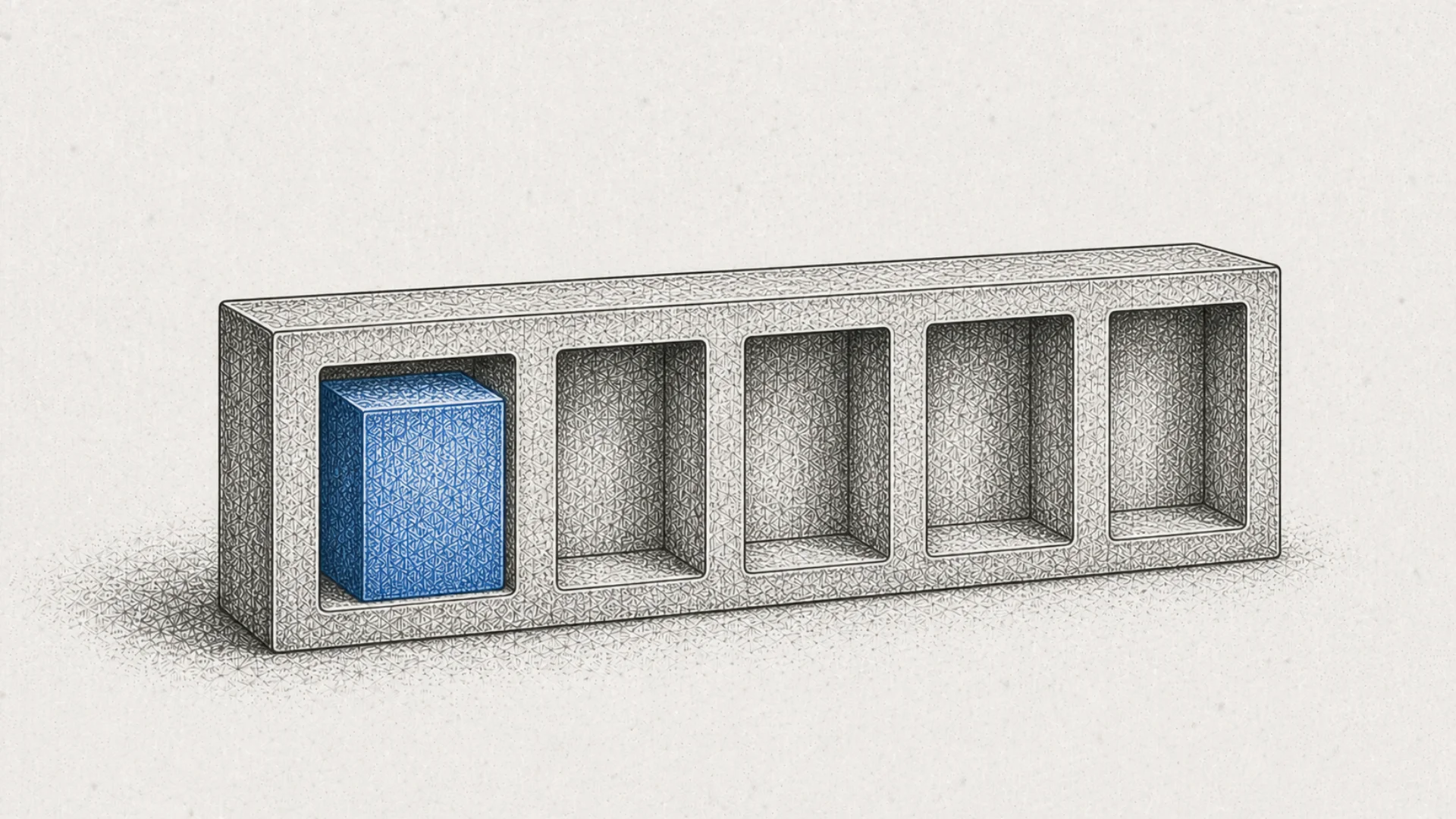
That is the backdrop for Investment Dinner 1999 AI on May 1 in New York. A 10 seat table at Bananas, running 7:00 PM–9:00 PM, where access is filtered down to angels and solo GPs who can deploy within 2 weeks. Presented by Propel Earth and hosted by Stephen Michael and Tyler Festa, the structure is intentional. No panels, no stagecraft, no room to hide behind consensus. Just capital, proximity, and a single thesis under pressure.
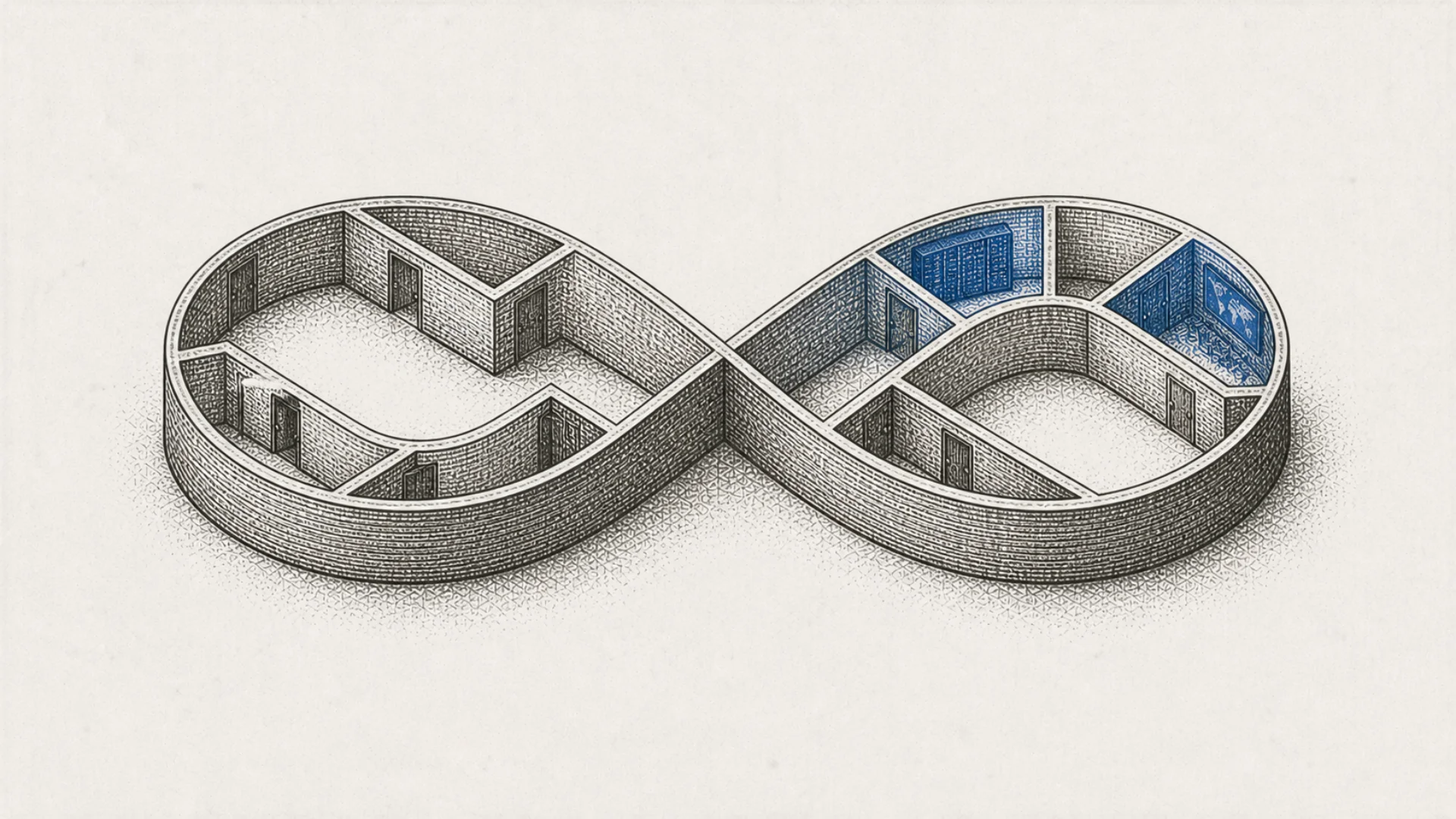
Inside, the conversation centers on 1999 AI and its core product, Labyrinth. Not another interface layer, but an operating system for world models. Sensor, SCADA, IoT, and time-series data pulled into a live 3D digital twin, with decisions executed back into source systems only after clearing thermodynamics, fluid dynamics, and rigid body constraints. In a market flooded with probabilistic answers, this is deterministic ambition. In the startup ecosystem, that distinction is starting to matter more than branding.
Tyler Festa brings Palantir lineage into the room, shaped by early Forward Deployed Engineer work on Foundry, alongside a team that includes the architect behind Airbus Skywise. The CTO’s foundation in GPU-accelerated physics simulation dates back to 2012, with 3 provisional patents reinforcing the validation framework. Stadiums and smart cities form the initial wedge, with manufacturing next, which reads less like a roadmap and more like a declaration of where real-world friction still resists abstraction.
Stephen Michael, through Propel Earth, adds a different layer of gravity. A network of 800+ founders, investors, and operators across 6 continents distilled into a single table where each seat carries consequence. This is not networking as volume. This is network density as leverage, a pattern that is quietly reshaping how influence moves through the startup ecosystem.
The traction sharpens the story. $400K in signed LOIs, over $500K+ in active pipeline, an MOU with a major city for a live stadium pilot, and a 2025 FORGE Award, all before institutional capital. A bridge round open at a $50K minimum. These are not vanity metrics. They are early proofs of contact between model and reality, which is where most AI narratives tend to fall apart.
What happens in a room like this rarely announces itself in real time. It shows up later, when a category tightens and suddenly feels inevitable. World models, physics-validated systems, software that does not just interpret but acts. The shift from advisory AI to operational AI is not theoretical anymore. It is being priced, debated, and quietly decided in rooms that look exactly like this one.