

Many Models, One Workflow: Why Bria and Cloudflare Replicate Matter at NY Tech Week
Bria, Cloudflare Replicate, and NY Tech Week are bringing AI infrastructure operators together in New York to discuss orchestration, multi-model workflows, and production-scale AI systems.
AI stopped being a parlor trick the second companies had to pay the invoice. That shift sits at the center of “Many Models, One Workflow,” an upcoming NY Tech Week event hosted by Bria, Cloudflare Replicate (now part of Cloudflare), and TECH WEEK on June 1, 2026, in New York City. The gathering brings together engineers, founders, infrastructure operators, and AI product leaders focused on one increasingly urgent problem: orchestrating multiple AI models inside production systems without turning operations into a financial or technical hostage situation. Speakers Chris MacDonald, Head of Solutions at Bria, and Jon Bunting, Senior AI Solutions Architect at Cloudflare Replicate, are expected to focus on practical AI workflow design, model routing, infrastructure tradeoffs, latency management, and production reliability.
The event arrives at a moment when the AI market is moving beyond “best model” debates and into a far messier conversation about orchestration, governance, scalability, and operational survival. That evolution matters because AI infrastructure is beginning to resemble cloud computing in the late 2000s. The novelty phase is ending. Procurement teams are involved. Legal teams are involved. Finance departments are involved. Suddenly the loudest person in the room is no longer the founder posting benchmark screenshots on X. It is the engineer trying to explain why inference costs tripled overnight.
About “Many Models, One Workflow”
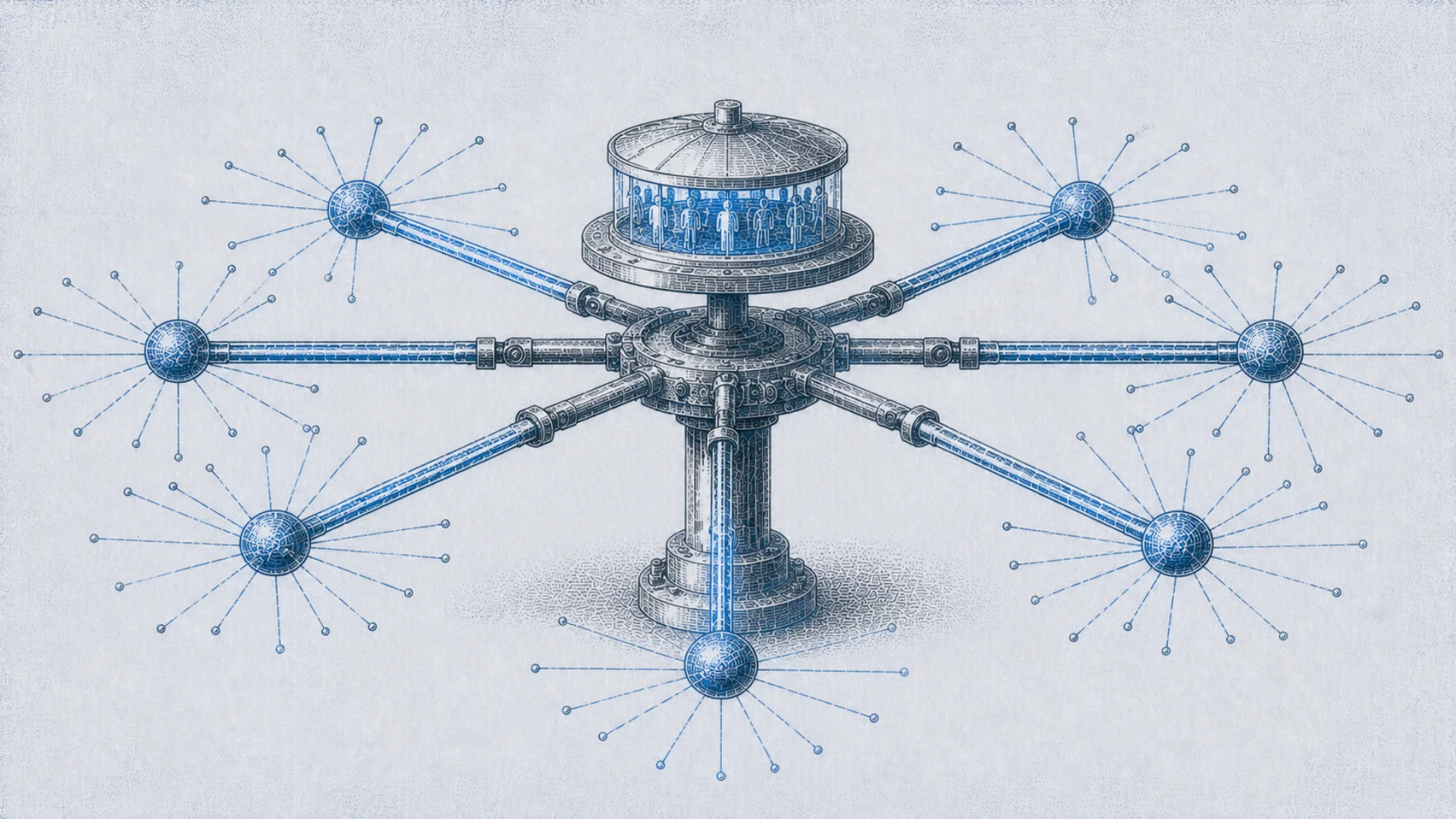
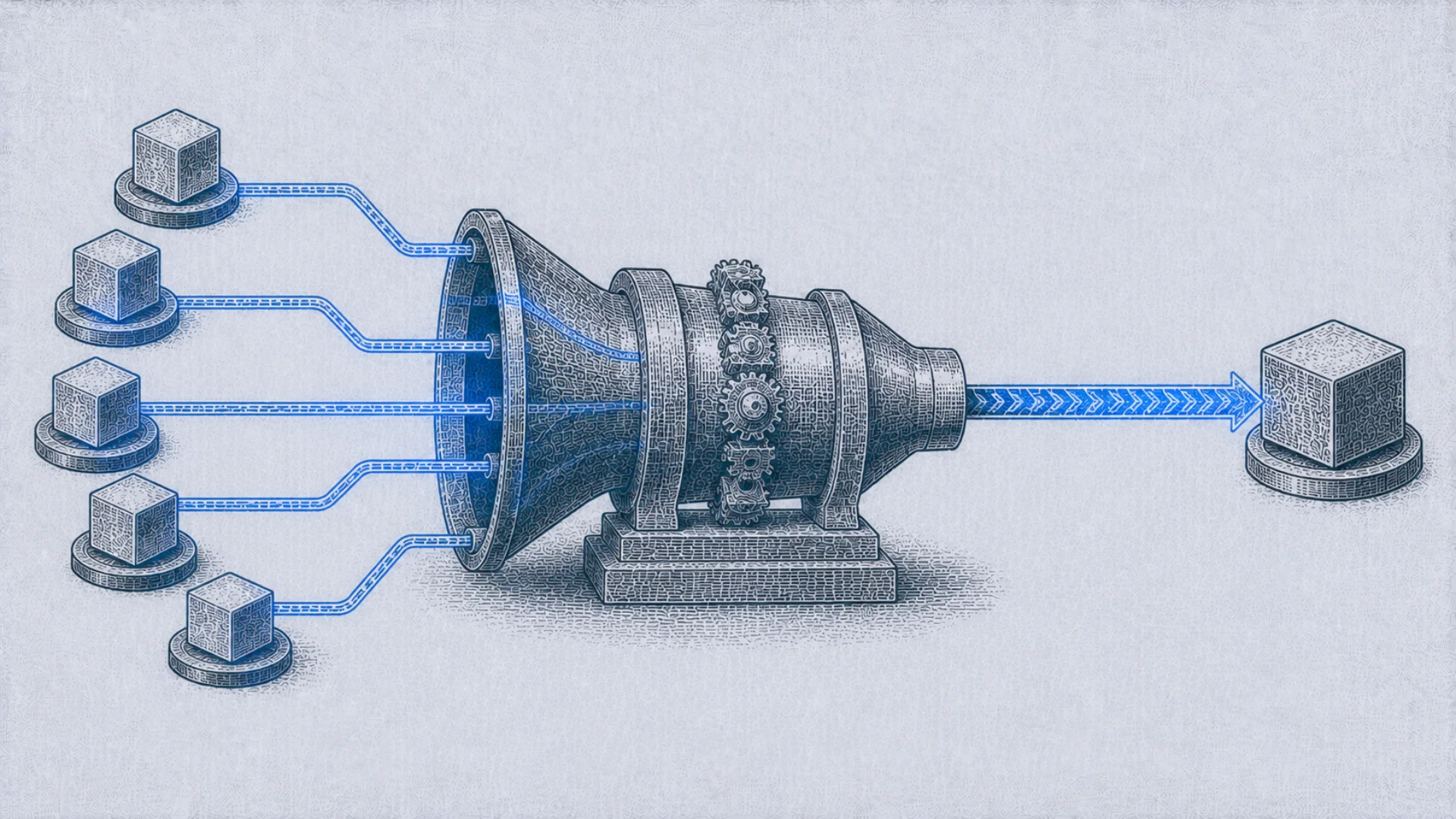
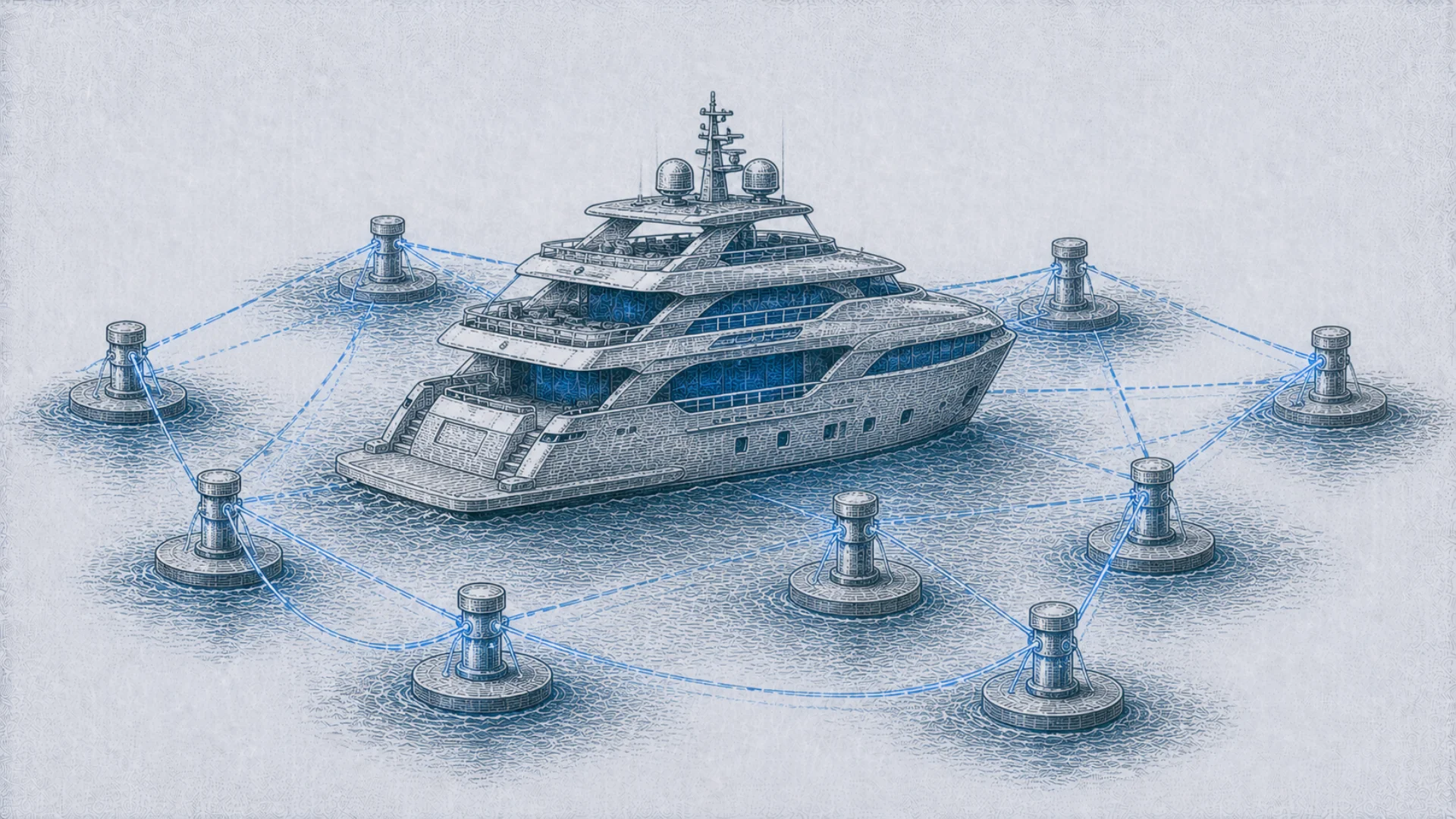
“Many Models, One Workflow” is positioned as a practitioner-focused NY Tech Week event centered on multi-model AI systems. Instead of debating whether OpenAI, Anthropic, Meta, or open-source alternatives produce the smartest output, the conversation shifts toward workflow architecture and operational execution. That distinction sounds subtle until money enters the equation. Most enterprise AI deployments no longer rely on a single model. Teams increasingly route requests across multiple providers depending on speed, cost, quality, compliance requirements, or task specialization. One model handles summarization. Another handles classification. Another handles image generation. Another cleans up outputs before legal sees them. Modern AI infrastructure looks less like a singular brain and more like airport traffic control during a thunderstorm.
Bria enters that conversation from the visual AI layer. The company positions itself around licensed, IP-safe generative AI tools built for enterprise deployment, a positioning that has become increasingly important as copyright disputes, synthetic media concerns, and data provenance scrutiny intensify across enterprise procurement cycles. Cloudflare Replicate approaches the problem from the infrastructure side. Following Cloudflare’s agreement to acquire Replicate, the combined platform represents a broader push toward making AI deployment and model orchestration easier inside production-grade environments. Developers want flexibility. Enterprises want governance. Finance teams want predictability. Security teams want control. Nobody fully gets what they want, which is precisely why orchestration has become such a critical market layer.
Why This Matters Beyond Another AI Meetup
New York Tech Week has increasingly become a pressure gauge for where operator attention is moving across the startup ecosystem. A few years ago, the dominant conversations revolved around fundraising velocity, crypto speculation, and growth-at-all-costs bravado. Now the tone feels different. Sharper. More operational. Less performative. The AI market is entering its infrastructure phase, and that transition changes who gains influence inside organizations. During hype cycles, visibility gravitates toward founders, influencers, and research labs. During infrastructure cycles, influence shifts toward operators, architects, systems engineers, and the people responsible for making expensive systems behave reliably under pressure.
That is the subtext surrounding “Many Models, One Workflow.” The event is not built around philosophical AI debates or theatrical predictions about artificial general intelligence replacing civilization before lunch. It is focused on practical deployment realities: latency, routing, workflow reliability, infrastructure complexity, and production economics. That framing matters because enterprises are quietly discovering that adding AI into existing systems often creates operational sprawl faster than expected. Vendor fragmentation increases. Costs become difficult to forecast. Governance grows messy. Internal tooling starts resembling a patchwork assembled during a caffeine emergency. Orchestration is rapidly becoming the layer companies use to regain control.
Why New York Is Becoming an AI Infrastructure City
San Francisco still dominates the AI narrative economy. New York increasingly dominates the commercial implementation economy, and that distinction matters. New York sits at the intersection of finance, media, advertising, ecommerce, enterprise software, and regulation. AI products deployed in New York-facing industries face immediate commercial scrutiny. Systems need to work under compliance pressure. They need measurable ROI. They need operational stability. “Cool demo” energy dies quickly once enterprise buyers enter the room. That dynamic makes New York an unusually important environment for conversations about orchestration and production workflows because the city rewards execution faster than ideology.
Bria’s positioning around IP-safe visual AI aligns directly with concerns emerging across advertising agencies, publishers, retailers, and enterprise content organizations. Meanwhile, Cloudflare Replicate’s infrastructure role aligns with broader enterprise demand for scalable, distributed AI deployment systems capable of handling multiple models without operational chaos. For sophisticated operators, this event functions less like a networking mixer and more like an early signal about where enterprise AI architecture is heading next.
The Operators Behind the Event
Chris MacDonald and Jon Bunting occupy roles increasingly shaping how AI products actually reach production environments. As Head of Solutions at Bria, Chris MacDonald sits close to enterprise deployment realities involving generative visual workflows, compliance requirements, and production integration. That position provides visibility into how enterprise buyers are evaluating generative AI beyond surface-level experimentation. Jon Bunting, Senior AI Solutions Architect at Cloudflare Replicate, operates closer to the infrastructure layer where orchestration, deployment reliability, model routing, and scalability decisions converge.
Those roles rarely receive public attention compared to AI researchers or startup founders, yet they increasingly influence whether AI systems survive contact with enterprise operations. That shift reflects a broader maturation happening across the AI economy. The market is rewarding operational competence again.
What This Signals for the AI Market
“The best model” is slowly becoming the wrong question. The better question is which combination of models, infrastructure layers, governance systems, and orchestration frameworks creates durable operational advantage without collapsing under cost, latency, or complexity pressure. That is the real market transition underneath this event. The AI companies likely to survive the next cycle may not be the loudest. They may simply be the ones capable of orchestrating fragmented systems more intelligently than competitors while keeping costs predictable and workflows stable. That sounds less glamorous than AI hype headlines. It also sounds far more useful.
Frequently Asked Questions
What is “Many Models, One Workflow”?
“Many Models, One Workflow” is an upcoming NY Tech Week event focused on AI orchestration, multi-model workflows, and production AI infrastructure.
Who is hosting the event?
The event is hosted by Bria, Cloudflare Replicate, and TECH WEEK in New York City.
Who are the featured speakers?
The featured speakers are Chris MacDonald, Head of Solutions at Bria, and Jon Bunting, Senior AI Solutions Architect at Cloudflare Replicate.
Why does AI orchestration matter right now?
AI orchestration helps companies manage multiple AI models across production systems while balancing cost, latency, compliance, and reliability.
Why is Bria relevant in the AI market?
Bria focuses on licensed, IP-safe generative visual AI tools designed for enterprise deployment and regulated commercial environments.
Why is Cloudflare Replicate important?
Cloudflare Replicate represents a growing infrastructure layer focused on scalable AI deployment, model hosting, and workflow orchestration across multiple AI systems.