





Inside Ramp's AI Stack: Why Enrich's July 15 Event Matters
Ramp has become one of the most closely watched fintech companies in the conversation around AI-native operations. On July 15, 2026, Enrich, now part of Hone, will host Inside Ramp's AI Stack: Building an AI-Native Company in San Francisco, with Jay Sobel, Data Platform Engineer at Ramp, listed as the confirmed speaker. The session is expected to give senior technology leaders a behind-the-scenes look at the internal systems Ramp has built to support AI across engineering and operations.
For operators, engineering leaders, data leaders, and founders, the event matters because the market has moved past the easy question of whether AI belongs inside the enterprise. The harder question is how companies build enough shared context, process discipline, and technical infrastructure for people and AI systems to work together without turning the company into a pile of disconnected experiments. That is the real tension sitting underneath the AI-native label.
About Inside Ramp's AI Stack
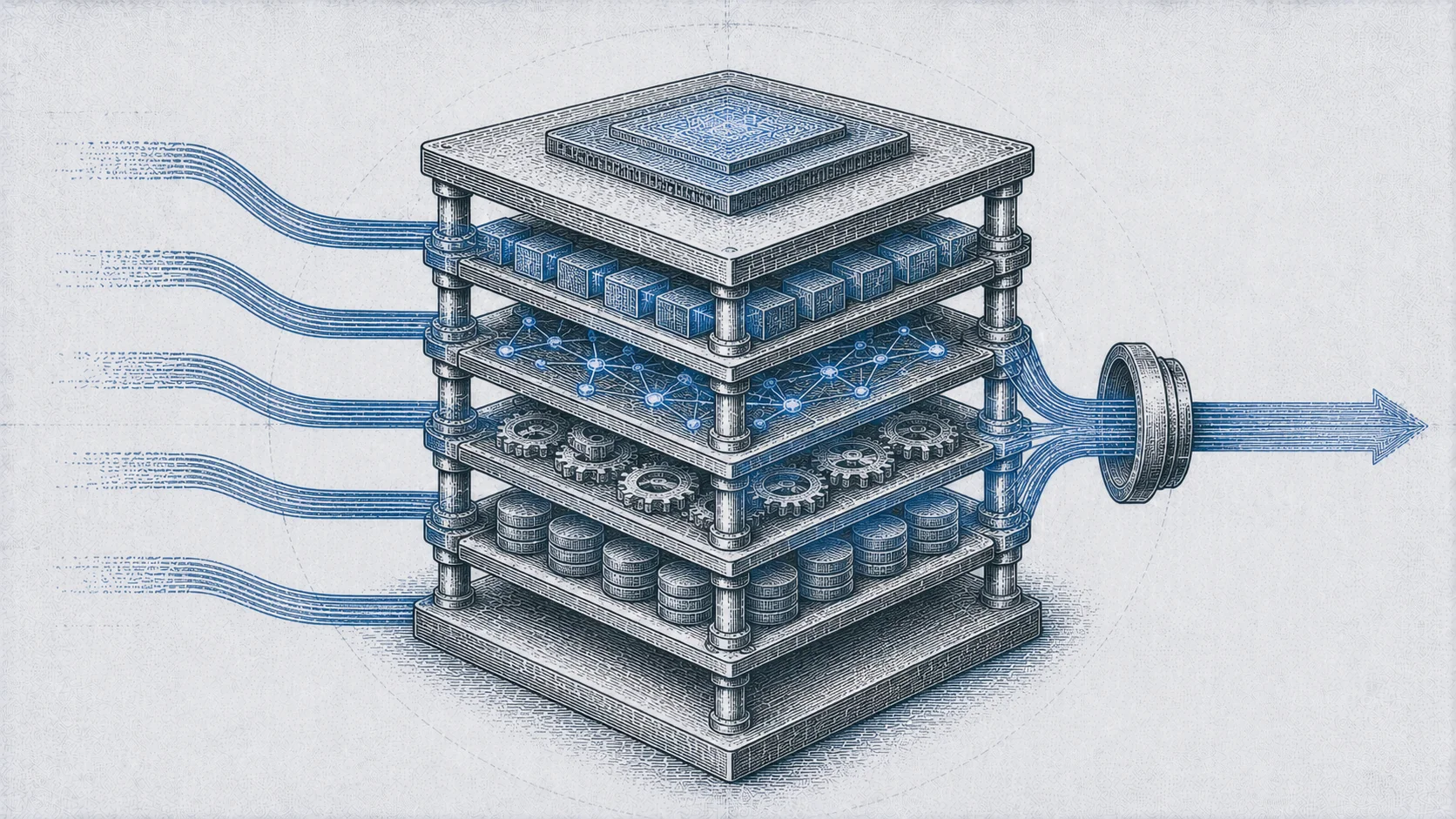
The upcoming Enrich event is positioned as a practical look inside Ramp's internal AI stack rather than a broad industry panel. The event description points to remote coding agents, data analyst agents, automation layers, and shared context systems that connect those capabilities together. That specificity is what gives the session weight, because the most useful AI conversations in 2026 are less about model enthusiasm and more about how work actually changes when those systems enter daily operations.
Jay Sobel is the only named speaker confirmed in the research packet for this July 15 session. Other Ramp executives and operators appear in related public interviews, webinars, or conference sessions, but the source audit did not confirm them as participants for this Enrich event. The public article should keep that boundary clear, because the event is strongest when it stays anchored to what is verified rather than borrowing names from adjacent Ramp appearances.
Why This Matters
Technology leaders are learning that AI adoption is not simply a procurement decision. Buying access to a model is easier than building internal systems that let employees use AI with reliable company context, trusted data, clear ownership, and enough guardrails to avoid operational chaos. The Ramp session sits directly inside that implementation gap.
The conversation around Ramp has become larger than expense management because the company is often used as an example of an organization pushing AI into the way work gets done internally. For enterprise teams, that makes the event useful as a case study in organizational design. The core issue is not whether a company can demo an agent, but whether it can build habits, tooling, and infrastructure that make intelligent systems part of normal execution.
Market Context
The phrase AI-native has become easy to say and difficult to prove. Some organizations use it to describe product features, some use it to describe internal workflows, and some use it as investor-facing shorthand for a future state they have not yet reached. That ambiguity is why a concrete session about internal AI infrastructure can matter more than another high-level discussion about the future of work.
Ramp's public story gives the topic a stronger market hook because the company operates in fintech, a sector where automation, controls, data quality, and accountability all carry real consequences. Finance workflows do not reward vague experimentation for very long. If AI systems are going to matter in that environment, they need to connect to context, permissions, auditability, and the teams responsible for execution.
Why Enrich Matters
Enrich's role also shapes the event. The community is designed for senior technology leaders and has built its reputation around curated conversations rather than oversized conference programming. Following its acquisition by Hone, Enrich continues to sit at the intersection of executive learning, peer networks, and practical leadership development.
That setting changes the value of a Ramp conversation. A general audience might hear the phrase internal AI stack and think about tools. A room of senior operators is more likely to ask how those tools affect hiring, product velocity, engineering standards, team behavior, and management systems. That is where the event becomes less like a calendar listing and more like a signal about what technology leaders are trying to solve now.
What This Signals
The upcoming session reflects a broader shift in enterprise technology. The competitive conversation is moving away from asking which AI model performs best and toward understanding how companies build environments where AI can operate reliably alongside people. Infrastructure increasingly matters as much as intelligence, and shared context increasingly matters as much as raw model capability.
That is why this event deserves attention before it happens. The lasting value may not come from any single agent, automation layer, or architectural decision discussed at the session. It may come from seeing how one organization thinks about connecting technology, people, and operational discipline into a system that can keep adapting as the frontier moves.