







Grid City Scaffolding: A Guided NYC Run on October 13
Grid City: Scaffolding will take runners through New York's architecture and street design on October 13, 2026, from 7 to 8:30am EDT. Presented by MILER RUNNING, the outing pairs an easy 4.5-mile run with an examination of scaffolding and the way it changes the city at sidewalk level.
Thomas Guerra, identified by the organizer with SOM, will guide the run. The group meets in the indoor public lobby at 180 Maiden Ln, New York, NY 10038. Coffee and pastries follow the run, and bag check is available. Readers should use the official registration page for current participation details.
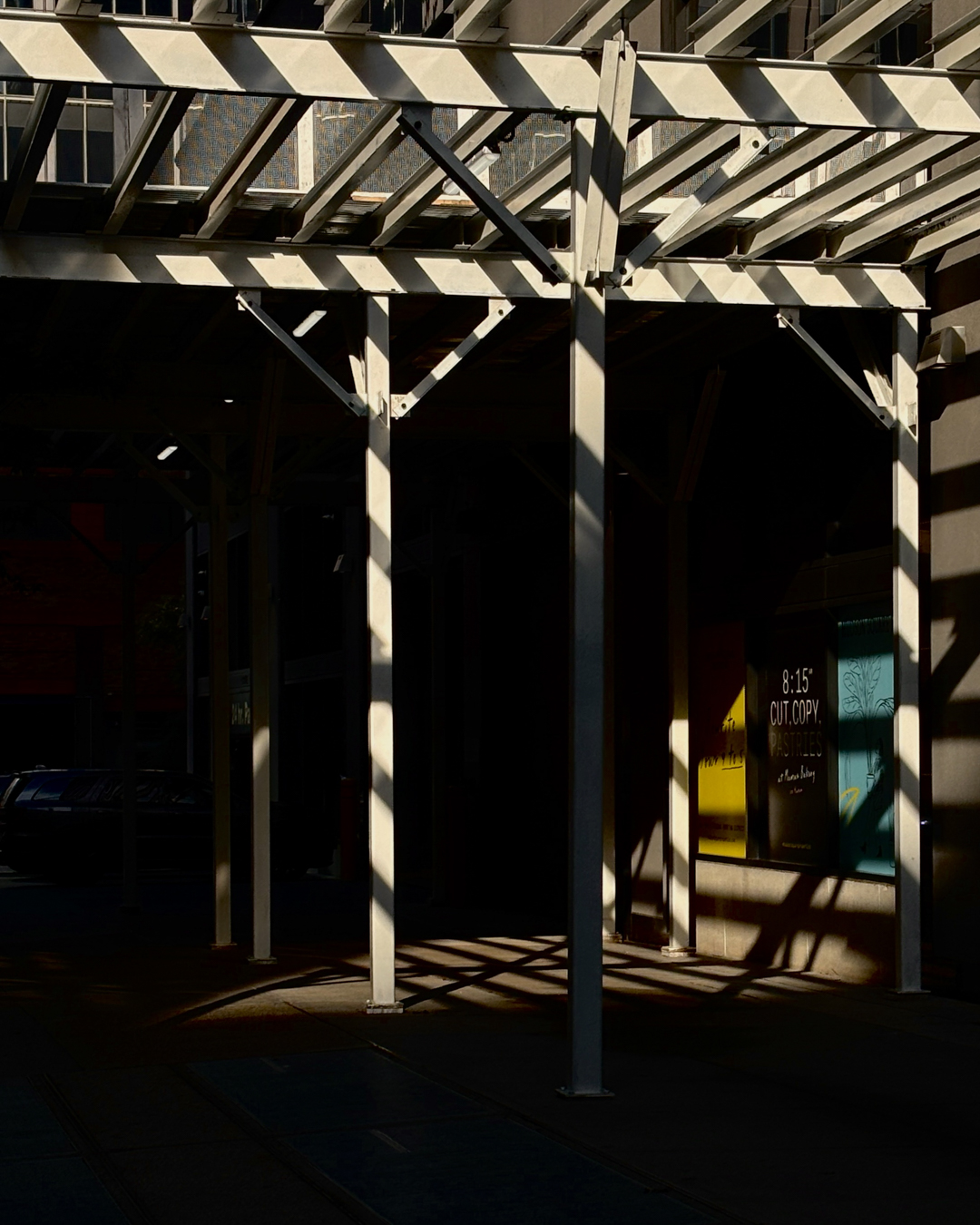
The subject is visible on an ordinary trip through the city. Structures installed for protection can also change light, movement and the experience of a block. Grid City's format invites participants to examine that tension on the ground, while New York's Department of Buildings is publicly discussing new sidewalk-shed designs and removal work.
A run built around looking at the city
Grid City combines running with a monthly topic in design, architecture or planning. Each outing has a route and a subject-matter guide. This October program focuses on scaffolding's history, its effect on streets and the controversies and legislative debates surrounding it.
The official host list names Paul Morimoto, Benjamin Morrow and Drew Bell. Thomas Guerra is explicitly identified as the guide for this event, rather than inferred to be participating because of a company affiliation. The listing does not provide a more specific professional title for Guerra, and coverage should not supply one without verification.
The format makes the route part of the learning experience. A participant can notice the difference between a structure as it appears in a drawing and the space left for someone moving underneath it. The observation is available at street level: where does a person change direction, what becomes harder to see and how does the block feel different?
Those are editorial suggestions for attention, not a list of stops or remarks promised by the organizers. The route is linked through the official listing's Strava information. A runner should consult that source and the host's instructions rather than assume a course based on the meeting address.
Protection and the pedestrian experience
The NYC Department of Buildings' sidewalk-shed guidance describes sheds as temporary structures intended to protect people or property. That purpose matters when discussing their effect on public space. A criticism of the experience underneath a shed is not evidence that the protective structure is unnecessary or safe to remove.
The distinction between scaffolding in the event title and a sidewalk shed in city guidance is also worth preserving. The run's topic is broad; the official city pages cited here address a particular form of pedestrian protection. The terms should not be treated as interchangeable technical instructions.
For a design-minded participant, the useful question is how protection interacts with other needs. Light, passage, visibility and the ability to understand a street are part of the experience a structure creates. Looking at those conditions does not require a runner to make a structural assessment.
A public route can make the tradeoffs easier to discuss because people are examining the same place. One person may notice the support columns, another the storefront and another the point where a path narrows. Comparing observations is a starting point for better questions, not a substitute for professional evaluation or official safety guidance.
A current design conversation at the Department of Buildings
The Department of Buildings' monitoring and removal page describes 6 design concepts developed by Arup and Practice for Architecture and Urbanism after a city commission in 2024. The stated aims include pedestrian experience and safety. The page says rules are being developed to make the designs available citywide.
That is a current official description of work in progress, not confirmation that every new design has already been deployed or that a particular structure on the run will be replaced. Keeping the status precise allows the policy context to inform the event without turning coverage into an implementation claim.
The same page describes a unit that monitors buildings with sheds in place for more than 5 years. It links prolonged presence to issues such as delayed maintenance or stalled repairs. That adds a useful dimension to the design discussion: the experience of a temporary structure also depends on how long the underlying work takes.
For participants, this provides a reason to ask about process as well as appearance. A design can change the space underneath a shed, while repair progress determines how long that space remains altered. Neither question alone explains the whole experience of a block.
What to carry away from the route
A good observation can be quite small. The place where a pedestrian pauses, a view that becomes obscured or a stretch where daylight changes may help someone describe a design issue more precisely. The strength is in naming the condition before offering a universal solution.
Grid City does not advertise a building inspection, permitting consultation or technical certification. Its value is a guided encounter with architecture and planning through movement. Runners can use the official city resources for context while keeping safety and property-specific judgments with qualified professionals.
DevCuration's WAI Architecture Think Tank takeover coverage records another October 13 program examining design and public memory in Brooklyn. It is a separate evening event, with a full registration list and its own waitlist, not an extension of the Grid City run.
The morning outing begins with a familiar object overhead. Its more useful result may be a sharper account of what that object does to the street below, and which question about that experience deserves attention next.
Frequently Asked Questions
What does the guided run examine?
Grid City explores New York design, architecture and planning through running. The October 13 outing focuses on scaffolding's history, street experience and related controversies, with Thomas Guerra (SOM) as the announced guide.
Where does the group meet?
The official listing specifies the indoor public lobby at 180 Maiden Ln, New York, NY 10038. The program runs from 7 to 8:30am EDT; consult the organizer for current registration and route information.
What is the physical format?
The listing describes an easy 4.5-mile run, followed by coffee and pastries, with bag check available. It does not advertise a building inspection or technical certification.
How does city guidance relate to the subject?
NYC Department of Buildings resources describe sidewalk sheds as protective temporary structures and discuss design and removal work. That supplies context, not a safety assessment of structures on the route or permission to remove one.
Where the Money Moved
The intelligence briefing of the innovation economy. Funding, M&A, debt and fund closes, read as market signal rather than deal announcements.
Subscribe to Where the Money Moved