






Boston’s Deep Tech Capital Shift Is Happening at MassChallenge
2048 Ventures and Boost VC are bringing a $100K Deep Tech Pitch Competition to Boston Tech Week, signaling a larger shift in frontier-tech investing.
Boston's startup ecosystem is entering a different phase of the market cycle. The Deep Tech Pitch Competition hosted by 2048 Ventures and Boost VC during #BOSTechWeek is not another networking event disguised as innovation theater. It is a concentrated signal about where early-stage capital, technical talent, and venture conviction are moving in 2026. On May 28 at MassChallenge in Boston, early-stage deep tech founders will compete for a $100K prize backed by 2048 Ventures and Boost VC. The room is expected to bring together founders, investors, engineers, operators, and researchers working across Vertical AI, robotics, infrastructure, health, aerospace, and frontier systems.
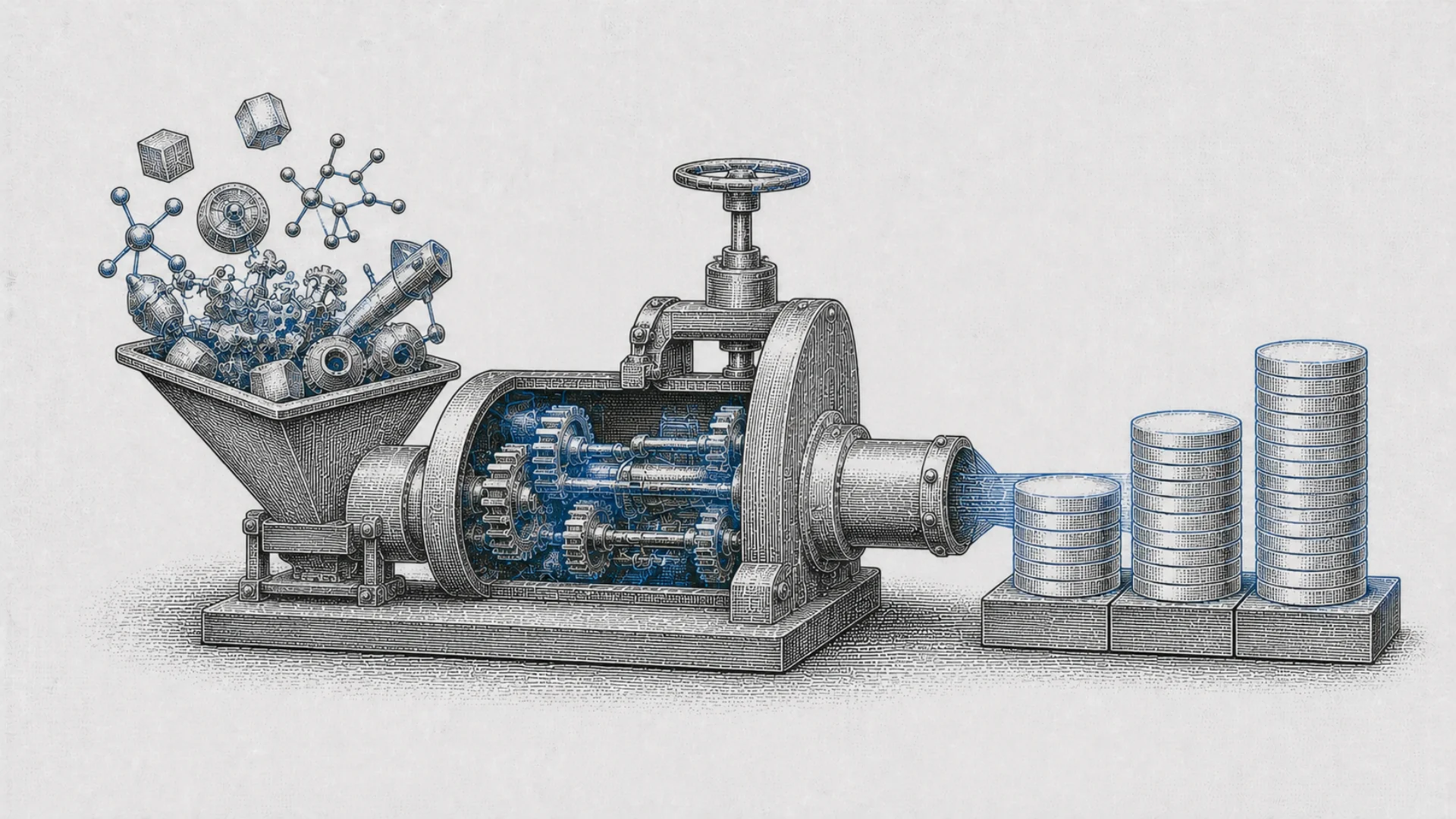
The timing matters because venture capital spent years rewarding distribution mechanics over technical depth. Now the market is correcting toward companies built around defensibility, data infrastructure, scientific advantage, and difficult engineering problems. Boston has quietly spent decades preparing for exactly this cycle. For sophisticated operators, the event matters because it offers a compressed view into how frontier technology is being evaluated before broader market consensus fully catches up.
About the Deep Tech Pitch Competition
The Deep Tech Pitch Competition is part of #BOSTechWeek and will take place at MassChallenge in Boston on May 28. The event is organized by 2048 Ventures in partnership with Boost VC and centers around a live competition where early-stage deep tech startups pitch for a $100K prize. That structure sounds simple on paper, but a room like this functions as a real-time market filter where founders walk in carrying technical ambition, scientific research, infrastructure bets, and prototype-stage systems while investors decide which ideas feel durable enough to survive contact with markets, regulation, scale, and time.
There is something refreshingly honest about deep tech rooms compared to the last generation of startup cycles. Consumer software could occasionally survive on branding calories and growth theatrics, but frontier technology does not care about vibes. Physics still grades on a curve, biology still refuses to cooperate with investor timelines, and infrastructure still takes longer than a quarterly planning cycle designed by somebody who thinks Excel is a personality trait. That tension is exactly why these gatherings matter more now.
Why Boston Matters Right Now
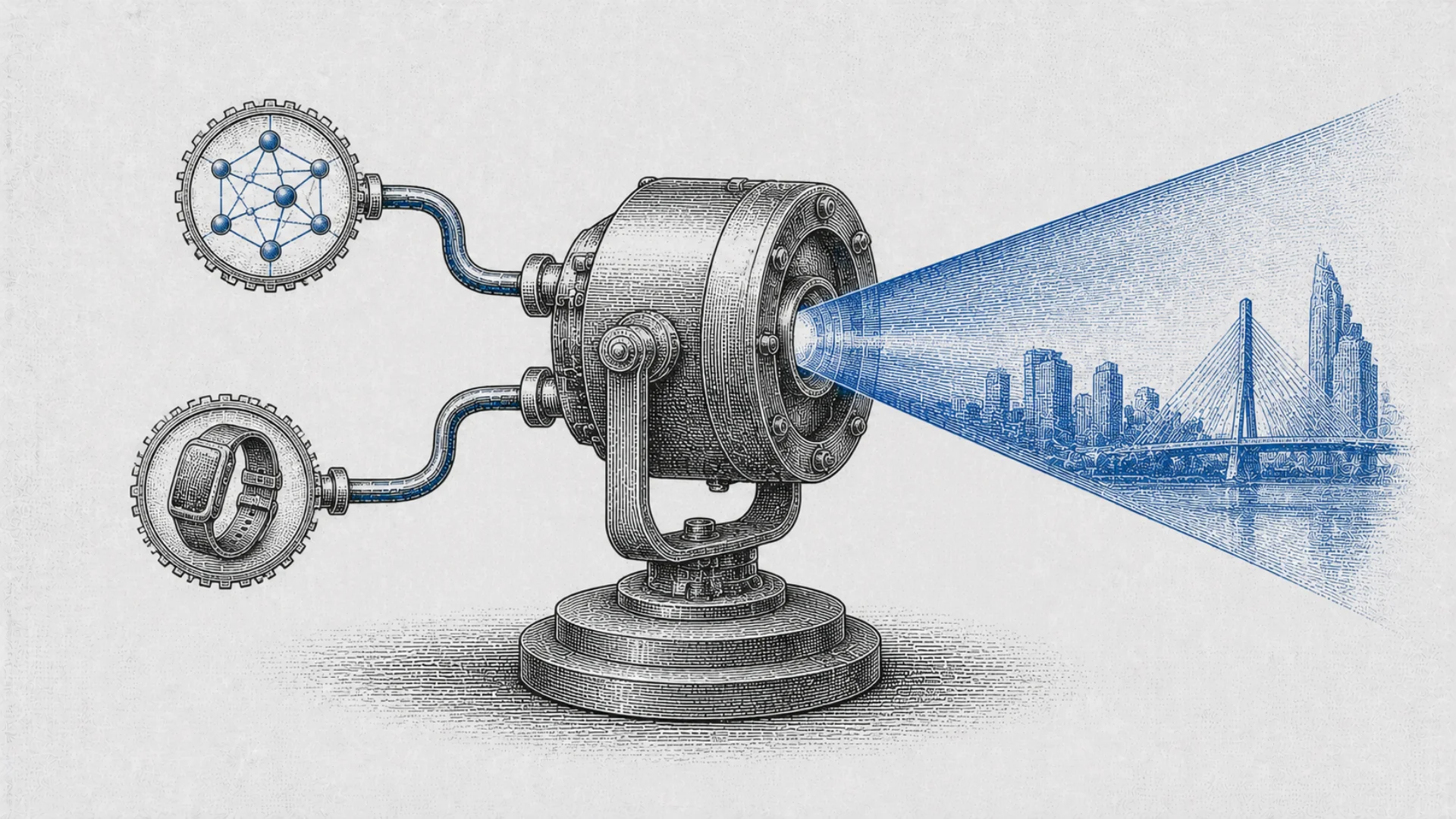
Boston occupies a strange position in the technology economy because it is one of the most technically dense startup ecosystems in the world while simultaneously operating with the self-promotional instincts of a reluctant Nobel Prize winner. Silicon Valley became exceptional at distribution and financial velocity while Boston became exceptional at producing difficult technology. The city’s ecosystem sits at the intersection of AI infrastructure, robotics, healthcare, biotech, defense, advanced manufacturing, and research institutions, with MIT, Harvard, hospitals, labs, engineers, computational biology teams, and robotics researchers creating a talent pipeline that naturally feeds deep tech formation.
For years, parts of venture capital treated deep tech like the weird cousin at the startup family reunion: interesting to talk about but difficult to underwrite because of slower timelines and more complex commercialization paths. That attitude has shifted dramatically as AI infrastructure requirements, geopolitical pressure, supply chain instability, defense modernization, energy demands, and healthcare scalability have pushed investors back toward technically defensible businesses. The market is rediscovering that difficult engineering creates leverage competitors cannot replicate with ad spend and growth loops, and Boston has been building for that reality the entire time.
The Operators Behind the Event
2048 Ventures has positioned itself as an early-stage firm focused on Vertical AI, Deep Tech, Health, and Bio, building a reputation for backing companies before broader institutional attention arrives. Alex Iskold, Zann Ali, Julie Wolf, Lilly Iskold, and Alice Iskold represent the ecosystem orbit around 2048 Ventures that has helped shape its presence within frontier technology investing. Boost VC approaches the market from a similar conviction model with a different cultural flavor. Founded by Adam Draper and Brayton Williams, Boost VC became known for funding sectors many investors initially dismissed as speculative or impractical, including robotics, aerospace, crypto infrastructure, frontier AI, and emerging systems long before those categories became institutionally fashionable.
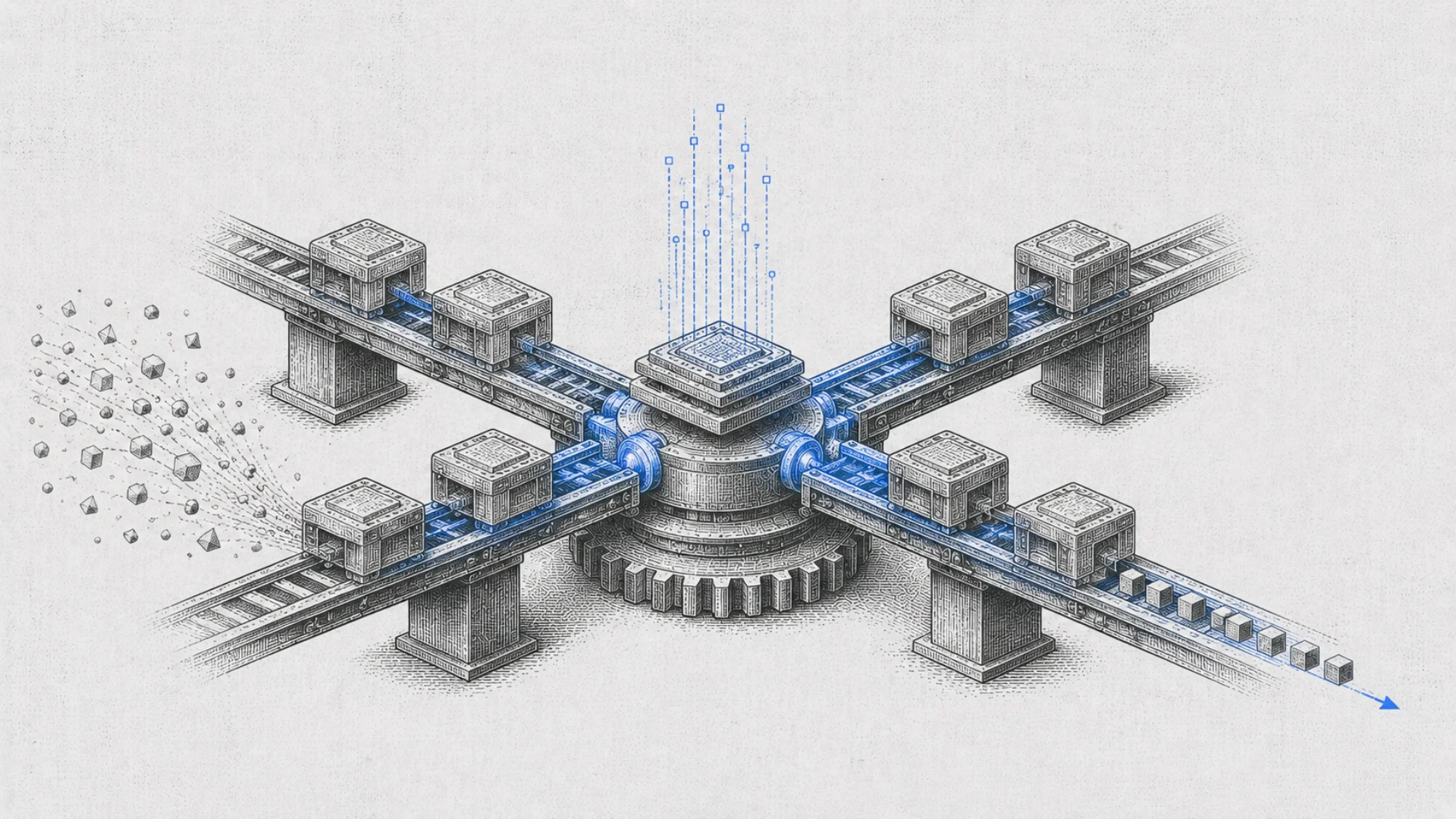
The broader Tech Week ecosystem also plays an important role in shaping the room itself. Colette Jumbert, Justine, Daniella Cohen, Sandra, Emily Yu, and other ecosystem operators help create the connective tissue between founders, investors, engineers, and researchers across Boston Tech Week. That connective layer matters more than people admit because startup ecosystems compound through collision density. A founder meets a future investor, an engineer meets a future co-founder, and a researcher discovers commercial application for years of technical work. Most meaningful startup outcomes still begin as conversations inside highly concentrated rooms.
What This Signals About Venture Capital
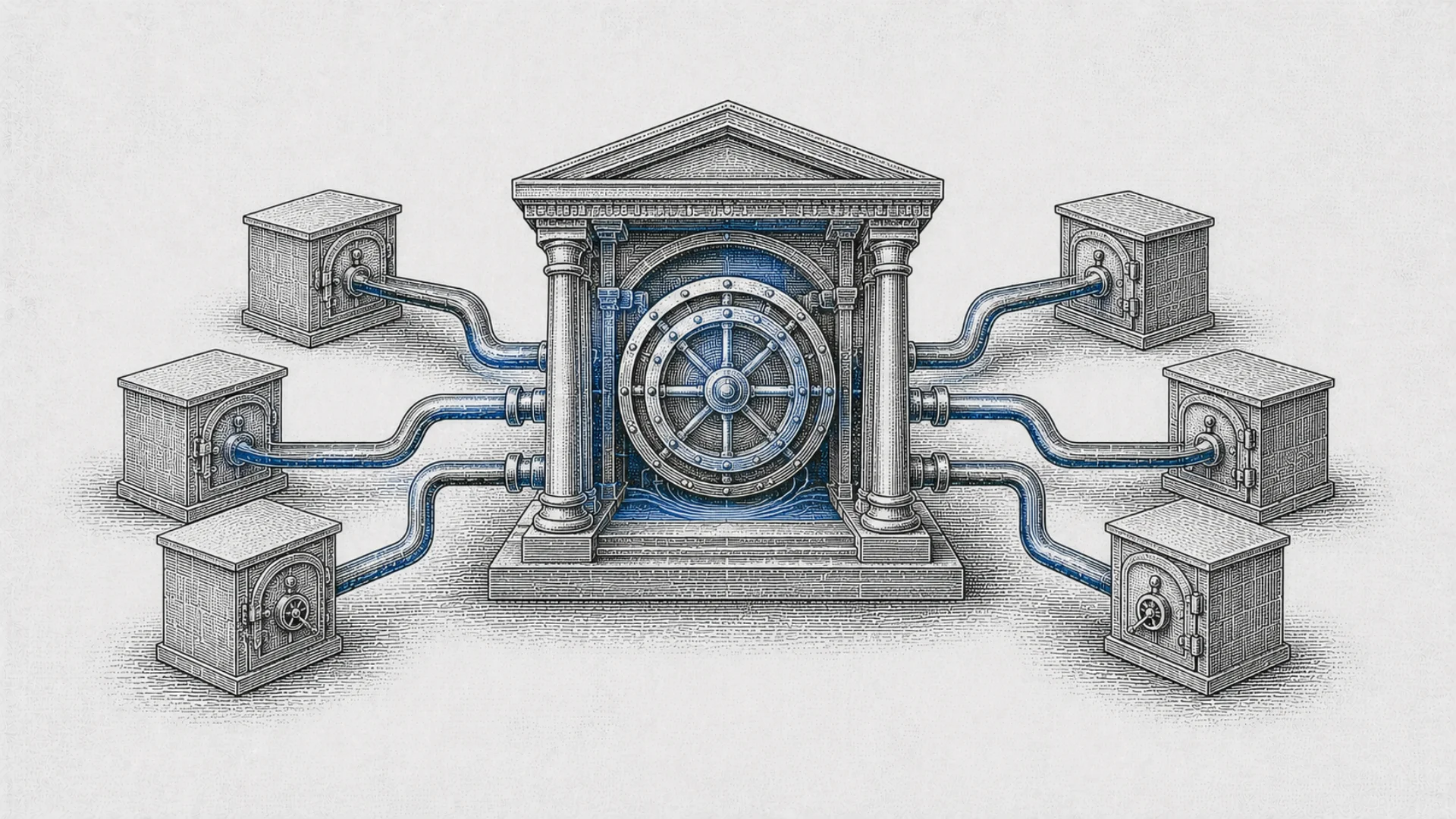
The most important signal surrounding the Deep Tech Pitch Competition is not the $100K prize itself but the reallocation of attention happening underneath it. Capital is moving back toward companies with technical depth, infrastructure leverage, defensibility, and long-term strategic value. That shift reflects broader structural changes happening across AI, cybersecurity, robotics, energy systems, manufacturing, healthcare, and national infrastructure.
The market spent years rewarding speed over durability, but durability is becoming valuable again. That transition creates a different kind of founder economy where technical founders gain leverage, researchers become commercially relevant earlier, and operators capable of navigating regulation, infrastructure, compute, and enterprise complexity become increasingly important. Deep tech stops being a side category and starts becoming central to economic competitiveness. Boston is positioned unusually well for that transition because the ecosystem already contains the ingredients frontier markets require: technical institutions, scientific talent, enterprise relationships, research density, and investors willing to tolerate complexity. The rest of the venture market is starting to notice.
Frequently Asked Questions
What is the Deep Tech Pitch Competition?
The Deep Tech Pitch Competition is a startup pitch event during #BOSTechWeek hosted by 2048 Ventures and Boost VC at MassChallenge in Boston.
When is the Deep Tech Pitch Competition taking place?
The event is scheduled for May 28 during Boston Tech Week.
What is the prize for the competition?
One early-stage deep tech startup will receive a $100K prize backed by 2048 Ventures and Boost VC.
Which firms are organizing the event?
The event is organized by 2048 Ventures in partnership with Boost VC and hosted at MassChallenge.
Why does this event matter for venture capital?
The competition reflects a broader venture shift toward deep tech, AI infrastructure, robotics, health systems, and technically defensible startups.
Why is Boston important for deep tech startups?
Boston combines research institutions, engineering talent, biotech infrastructure, AI development, robotics expertise, and venture capital networks that support frontier technology companies.