The 2026 Forbes CIO Summit will convene technology leaders in New York on November 11, with a virtual option. Forbes has chosen “Scaling What Works in the AI Era” as its theme, bringing the conversation toward the operating decisions that follow an impressive demonstration.
The announced lineup includes Box cofounder and CEO Aaron Levie, Vanguard global CIO Nitin Tandon and Microsoft's CPO for Responsible AI, Sarah Bird. Together, those roles offer a useful way to read the gathering: enterprise AI has a provider, a buyer and a set of responsibilities that must survive deployment. The editorial opportunity is to examine how those responsibilities fit together before another product enters a company's daily work.
The organizer-linked event site lists Forbes on Fifth, 24 Fifth Avenue, New York, NY 10011, and a 10:30 a.m.–5 p.m. EST schedule. Physical attendance is by direct invitation, and Forbes says applications are closed; readers should consult the official page for virtual access and program updates. For founders, operators and investors following enterprise AI, the gathering offers a chance to listen closely to the decisions that can determine whether a product becomes part of the business.
Enterprise AI has to fit inside somebody's working day
A useful AI feature enters an organization with more baggage than its demonstration suggests. Somebody has to decide what information it can use, which employee reviews its output and how a failure reaches the person capable of fixing it. Those decisions can change the economics of a seemingly simple task, especially when a faster first step creates more review work downstream.
That is the operating tension behind the summit's theme. A company can show that a model produces a plausible answer without establishing that the surrounding process is dependable. For a CIO evaluating a proposal, the meaningful unit of analysis is the workflow: the people, systems and obligations required to turn that answer into something the business can use.
Founders selling enterprise AI should pay attention to that distinction because the product conversation travels through several parts of a customer. A business sponsor may want speed, while security needs clear permissions and the implementation team needs predictable behavior. Helping those people reach a workable agreement can be as consequential as improving the feature they first saw.
DevCuration's coverage of Temporal and MongoDB's durable AI workflow event approaches a related problem from the engineering side. The Forbes gathering brings the executive decision into view, where technical behavior has to meet ownership, spending and the consequences of putting a system into everyday use.
The speaker mix puts different responsibilities together
Aaron Levie's role at Box places a software provider in the conversation. For founders, that perspective invites a practical question: how does a vendor help a customer absorb a new capability into an existing business? A sale creates an ongoing relationship with the people who will operate, support and judge the product.
Nitin Tandon's technology leadership at Vanguard supplies the buyer-side counterpart. Enterprise technology leadership requires decisions across a company rather than within one attractive use case. A useful discussion would examine how an organization chooses where to concentrate effort and how the people responsible for a deployment stay connected to its business purpose.
Sarah Bird's work at Microsoft concerns AI risks, evaluation and controls. Her participation gives the announced lineup a perspective that matters when systems leave experimentation and become part of work others depend on. Testing and mitigation become operating questions when an employee needs to know which output to trust and when to escalate an exception.
Those are editorial reasons to follow the three participants, rather than predictions about their remarks or assignments to specific sessions. The combination is useful because a vendor, an enterprise technology leader and a responsible-AI product leader approach the same deployment with different obligations. Their points of contact are where an audience can learn which questions deserve more attention inside its own organization.
Measurement needs to follow the whole workflow
A leader listening for business value should ask where measurement starts and stops. Faster drafting, for example, can be useful, but an evaluation also needs to account for review, corrections and the work that follows. That example is an analytical lens for the summit, not a claim about any named participant's results.
The NIST AI Risk Management Framework offers an independent reference for the trustworthiness side of that discussion. Its voluntary guidance addresses AI across design, development, use and evaluation, and its generative-AI profile addresses risks specific to that technology. NIST is relevant context here, with no involvement in the Forbes event implied.
For a CIO, such considerations become concrete when a team has to approve a new use, investigate an unexpected result or decide whether a system should keep running. Clear ownership makes it possible to connect a technical incident to a business decision. Without that connection, even a well-documented risk can sit between teams while each waits for another to act.
Investors and founders can listen for that organizational friction without turning every problem into a market-size claim. A recurring burden may reveal a product opportunity, a services requirement or work a customer prefers to keep internally. The useful question is how the customer actually wants to carry the responsibility, which can tell a seller more than enthusiasm during a demonstration.
Following the summit with a decision in mind
Forbes' October 21 announcement identifies this as the 12th annual CIO Summit. The November 11 program is still ahead, so its value must be assessed through the announced focus and participants rather than through outcomes that have yet to occur. A speaker appearance does not establish that a product has been endorsed or that a particular deployment has succeeded.
For invited attendees, the value of the room will depend partly on the specificity of the conversations they can have. Virtual followers can use the program to sharpen their own questions, while recognizing that viewing a session does not provide the same access as physical attendance. Neither format guarantees introductions, a commercial opportunity or a ready-made implementation plan.
A productive way to follow the summit is to bring one unresolved operating decision into it. That might be who approves access to sensitive material, how review effort is measured or which team receives an exception. As the New York conversations unfold, the detail worth carrying back is the one that helps a named owner make that decision inside the organization waiting for them.
 nextNYC Moves the Founder-Investor Conversation Across Three Neighborhood Tables|
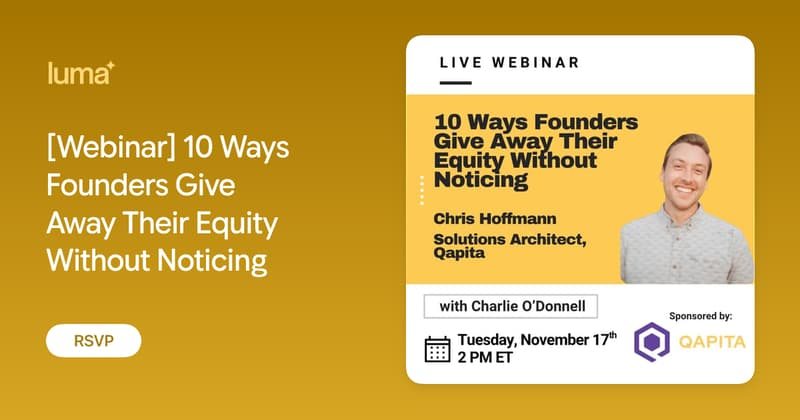 nextNYC and Qapita Trace the Small Decisions That Reshape Founder Equity|
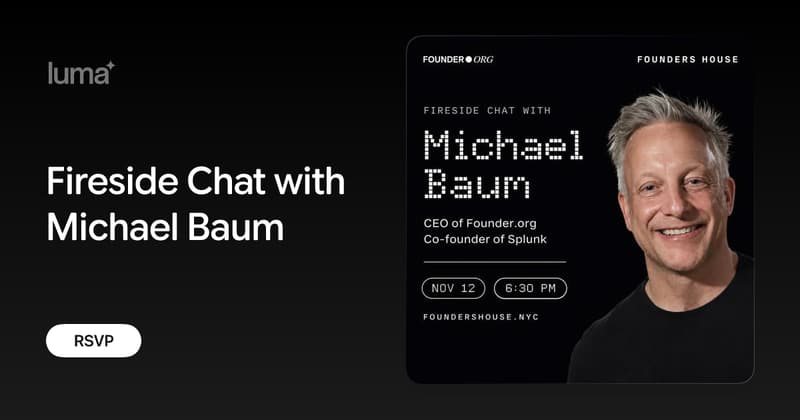 Michael Baum Brings the Splunk Founder Record Into Founders House|
 Founders House Takes the Founder Conversation Into a Williamsburg 5K|
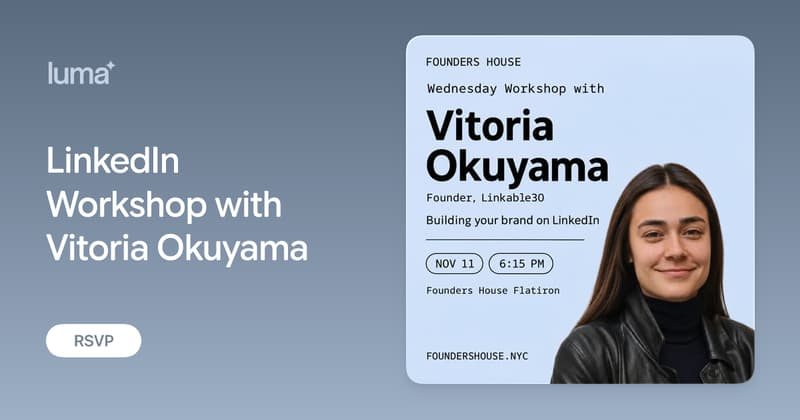 Founders House Turns the LinkedIn Profile Into a Working Founder Asset|Forbes CIO Summit Brings AI's Operating Decisions to New York|Nominal Raises $240M Series C for Hardware Intelligence|NYC Industrial Tech Breakfast Connects AI to Operations|Stripe AI Monetization Dinner Examines Enterprise Pricing|How to Build a Black Hole Comes to Simons in New York|