Latest
Park Road Partners Closes $695M Debut Fund| Fireworks Forge Brings Specialized Intelligence Into One San Francisco Build Room|
 HumanX Opens Interest for Its September 2027 Amsterdam Event|
 World AI Cannes Festival Sets Its 2027 Enterprise AI Program|
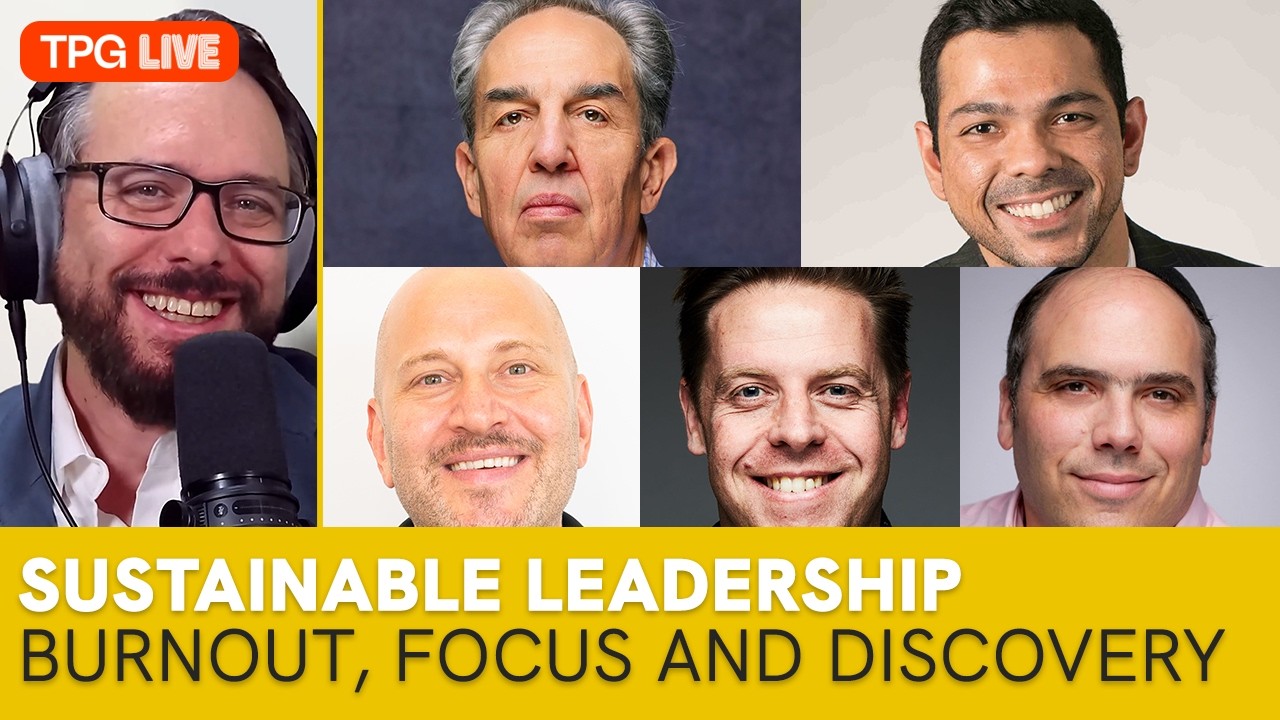 TPG Live Pairs Product Discovery With Sustainable Leadership|
 SEEN Summit Brings Fundraising Practice to Brooklyn’s Startup Community|
 Private Funds CFO Forum Connects AI Decisions With Finance Operations|
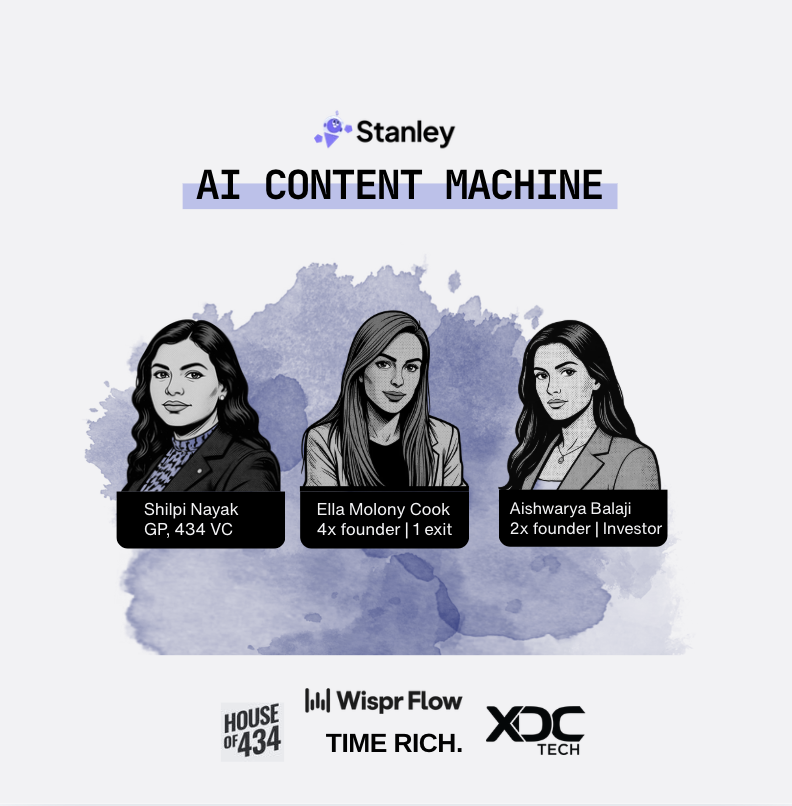 Time Rich’s AI Content Workshop Connects Founder Voice With a Working System|
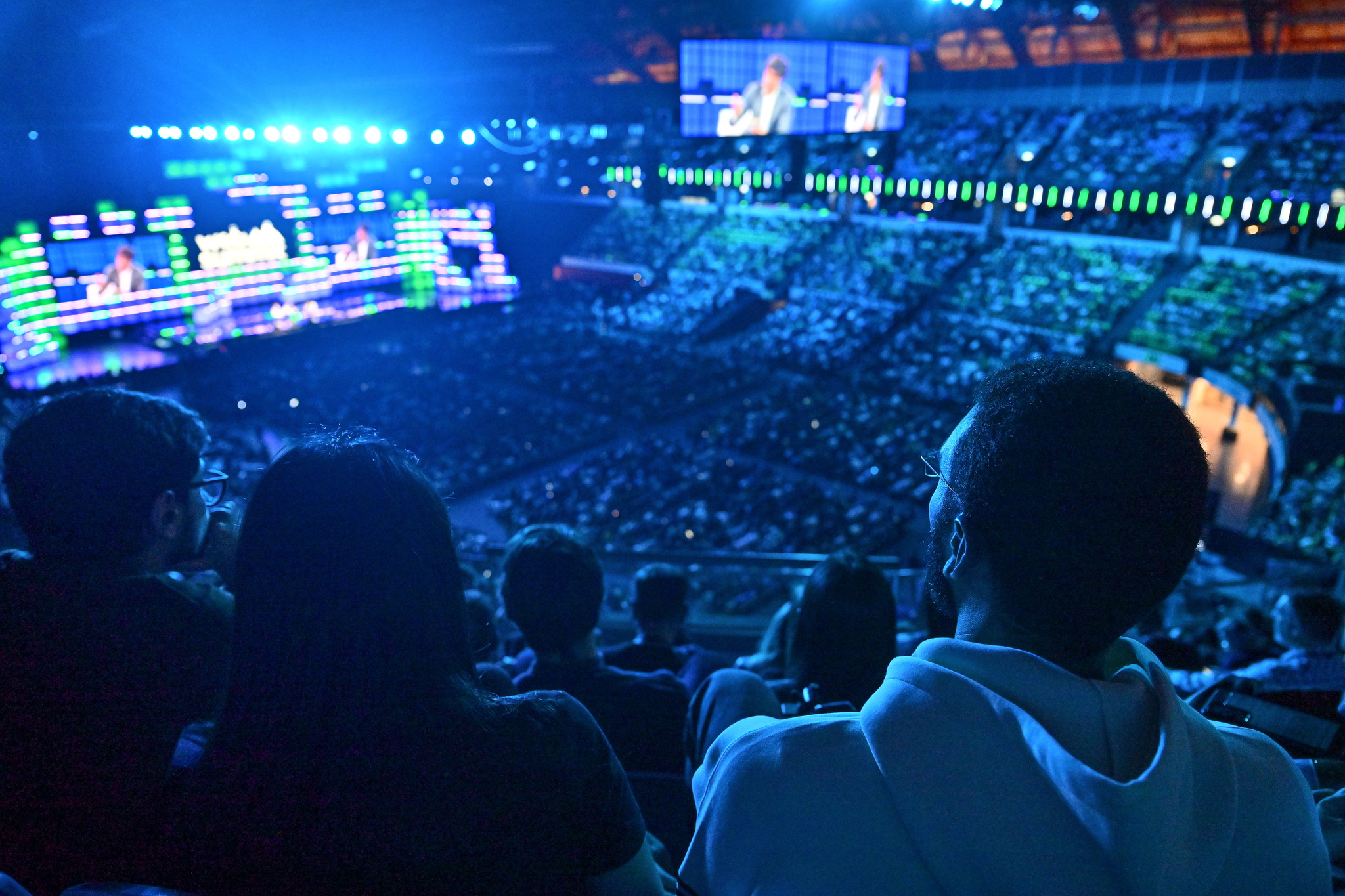 Web Summit Returns to Lisbon With AI and Company Building on the Agenda|
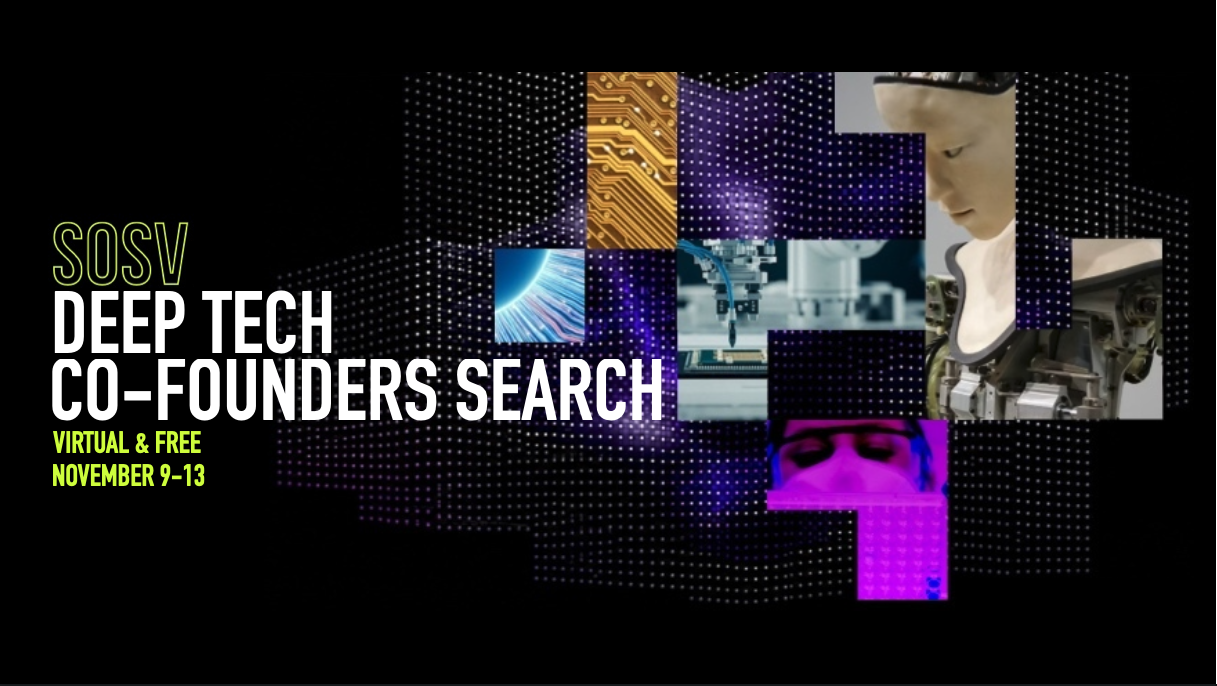 SOSV’s Co-Founder Search Opens a Week of Deep-Tech Introductions|Park Road Partners Closes $695M Debut Fund|Fireworks Forge Brings Specialized Intelligence Into One San Francisco Build Room|HumanX Opens Interest for Its September 2027 Amsterdam Event|World AI Cannes Festival Sets Its 2027 Enterprise AI Program|TPG Live Pairs Product Discovery With Sustainable Leadership|SEEN Summit Brings Fundraising Practice to Brooklyn’s Startup Community|Private Funds CFO Forum Connects AI Decisions With Finance Operations|Time Rich’s AI Content Workshop Connects Founder Voice With a Working System|Web Summit Returns to Lisbon With AI and Company Building on the Agenda|SOSV’s Co-Founder Search Opens a Week of Deep-Tech Introductions
Fireworks Forge Brings Specialized Intelligence Into One San Francisco Build Room|HumanX Opens Interest for Its September 2027 Amsterdam Event|World AI Cannes Festival Sets Its 2027 Enterprise AI Program|TPG Live Pairs Product Discovery With Sustainable Leadership|SEEN Summit Brings Fundraising Practice to Brooklyn’s Startup Community|Private Funds CFO Forum Connects AI Decisions With Finance Operations|Time Rich’s AI Content Workshop Connects Founder Voice With a Working System|Web Summit Returns to Lisbon With AI and Company Building on the Agenda|SOSV’s Co-Founder Search Opens a Week of Deep-Tech Introductions|Park Road Partners Closes $695M Debut Fund|Fireworks Forge Brings Specialized Intelligence Into One San Francisco Build Room|HumanX Opens Interest for Its September 2027 Amsterdam Event|World AI Cannes Festival Sets Its 2027 Enterprise AI Program|TPG Live Pairs Product Discovery With Sustainable Leadership|SEEN Summit Brings Fundraising Practice to Brooklyn’s Startup Community|Private Funds CFO Forum Connects AI Decisions With Finance Operations|Time Rich’s AI Content Workshop Connects Founder Voice With a Working System|Web Summit Returns to Lisbon With AI and Company Building on the Agenda|SOSV’s Co-Founder Search Opens a Week of Deep-Tech Introductions