








Scanner Raises $22M in Series A Funding to Expand AI-Powered Security Data Infrastructure
Security teams live in a strange economy. Data floods the system every second, but visibility gets rationed like it is running on a prepaid meter. Logs stack up like records in a DJ crate. Perfect recordings of what actually happened inside a network. Yet traditional SIEM economics force teams to toss part of the collection just to afford the turntable. Blindspots get expensive. Silence gets risky. And every security operator knows the uncomfortable truth. The evidence usually exists. You just cannot afford to keep it.
Scanner, founded in 2022 out of San Francisco, just secured $22M in Series A funding led by Sequoia Capital and Partner Bogomil Balkansky, with CRV and Mantis VC in the mix. Respect where it is due to CEO Cliff Crosland and co founder Steven Wu, two Stanford CS builders who have spent serious time in the infrastructure trenches at Cisco, Accompany, and Dropbox. This is not theory. This is what happens when engineers who have wrestled with data gravity decide the system should work for security teams instead of charging them rent for their own visibility.
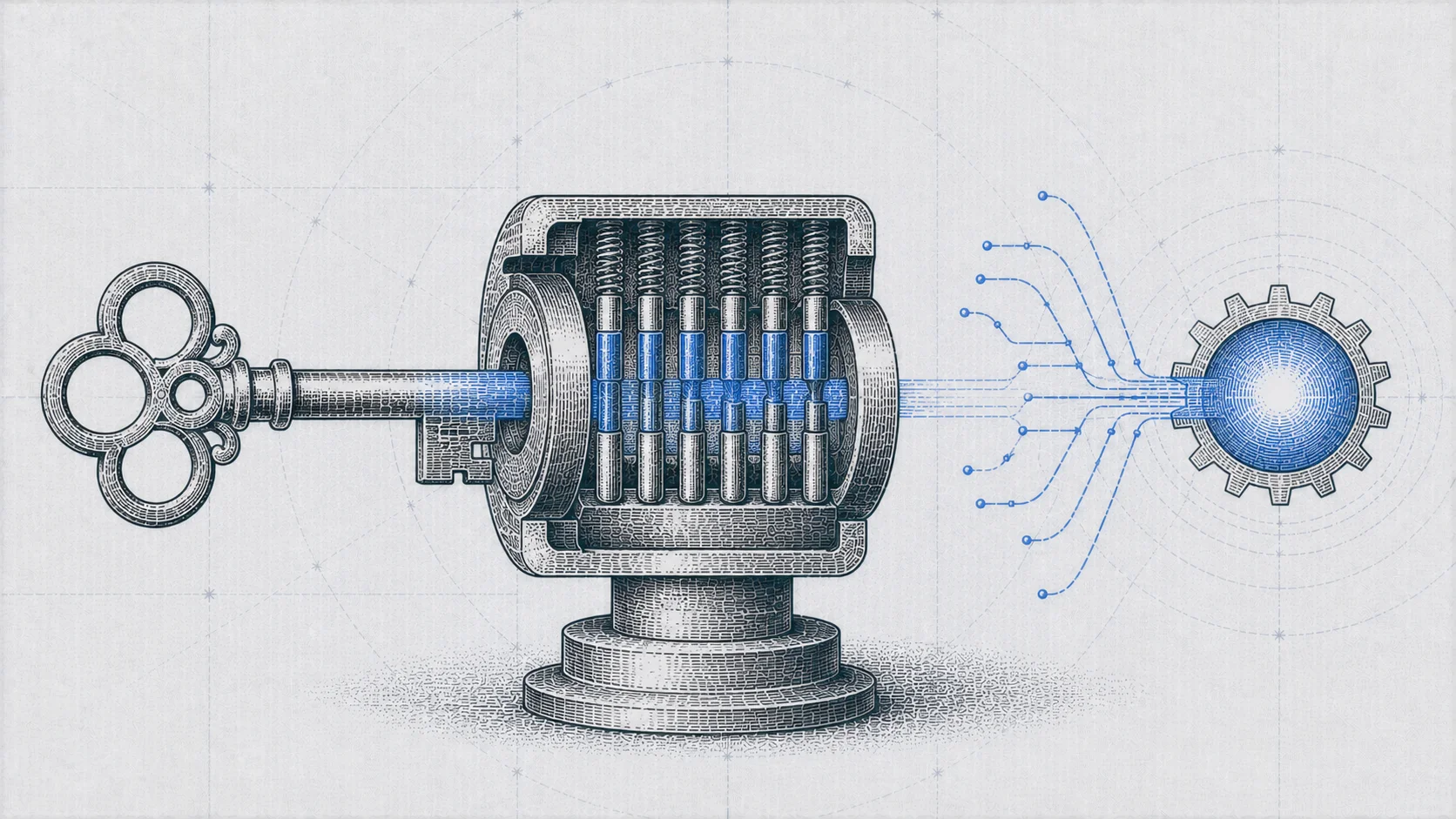
The product philosophy is simple and a little rebellious in the best way. Let security teams keep their logs. All of them. Scanner lets companies store unlimited security data directly in their own Amazon S3 buckets, then run full text search and detections across petabytes in seconds. No forced ingestion taxes. No deleting logs because the monthly SIEM bill starts sweating. Just raw security telemetry sitting where it belongs, with speed that lets investigators actually move.
And when you zoom out, the architecture starts looking like the foundation for the next era of security operations. AI agents are already responsible for more than 80% of queries on Scanner’s platform. Notion, Ramp, Lemonade, Benchling, Postman, EliseAI, Confluent and BeyondTrust are already leaning into it. Nearly 1/3 of customers began running AI agents in production shortly after Scanner launched support for MCP integrations. When machines start asking most of the questions, the system holding the answers better be fast and cheap enough to keep everything.
That is the quiet power move here. Security data lakes built on object storage change the economics of defense. When storage is cheap, retention becomes strategy. When search is fast, investigation becomes conversation. And when companies like Scanner make petabytes feel like pocket change, the security team finally gets to see the whole movie instead of a few blurry frames.
Strong congrats to Cliff Crosland, Steven Wu, and the Scanner team, along with Sequoia Capital, CRV, Mantis VC, Christina Cacioppo, Tom Killalea, and Venkat Venkataramani for backing a platform that treats security data the way detectives treat evidence. You do not throw it away. You organize it, index it, and when the moment comes, you pull the exact record that tells the story.
