









Prometheus Raises $12B at a $41B Valuation to Build AI for the Physical Economy
Prometheus, a San Francisco-based artificial intelligence company focused on engineering and manufacturing systems, has raised $12B at an approximately $41B valuation. The funding round included backing from Jeff Bezos, JPMorgan Chase, Goldman Sachs, BlackRock, DST Global, and ARCH Venture Partners. The company is led by Jeff Bezos, Co-Founder and Co-CEO, and Vik Bajaj, Co-Founder and Co-CEO, and is pursuing what it describes as an artificial general engineer: AI systems designed to help create, design, and manufacture complex physical products.
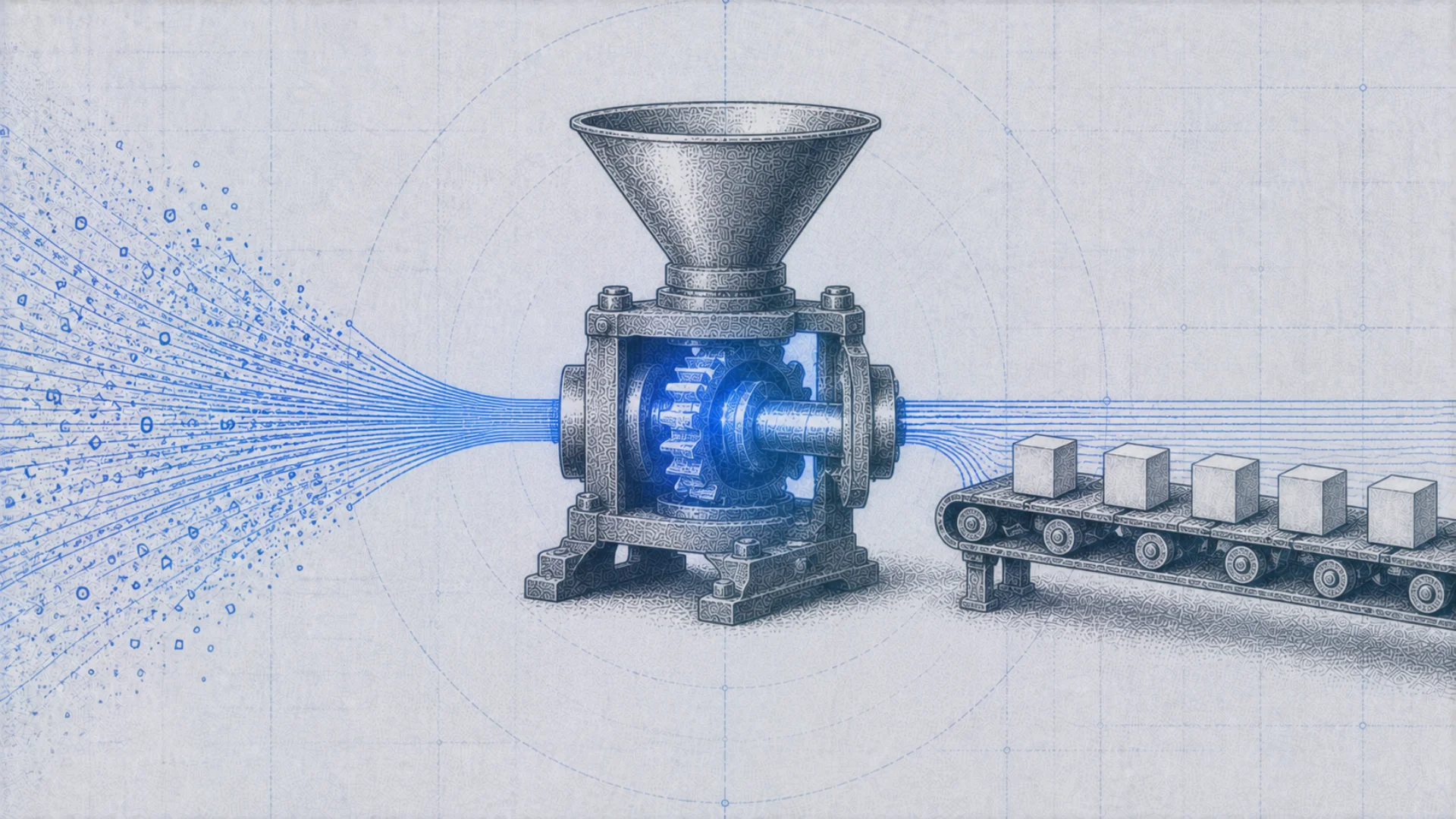
The announcement matters because it represents a shift in where investors believe the next major AI opportunity may emerge. While much of the AI market has focused on software, content generation, and digital workflows, Prometheus is targeting engineering, manufacturing, and industrial systems. More importantly, the round highlights a growing belief that the next wave of AI value creation may come from helping companies build physical things rather than simply helping people create digital content.
What Happened
Some funding rounds tell you a company is growing. Others tell you where capital thinks the future is headed. Prometheus belongs in the second category. The company announced a $12B funding round at an approximately $41B valuation, instantly placing it among the most highly valued AI companies focused on industrial and engineering applications. The round attracted participation from institutions including JPMorgan Chase, Goldman Sachs, BlackRock, DST Global, ARCH Venture Partners, and Jeff Bezos.
That investor list matters because these firms are not known for chasing novelty. They are known for placing large bets where they see long-term market formation. Prometheus is attempting to build AI systems capable of assisting with the design, engineering, and manufacturing of complex physical products. The company describes this vision as an artificial general engineer, a notable departure from the consumer-facing AI applications that have dominated headlines over the past several years. The company's earlier reported funding round of approximately $6.2B already signaled extraordinary investor confidence. Following that with a $12B raise suggests the market believes the opportunity extends well beyond traditional software applications.
Why This Matters
There is a simple reason engineering remains one of the most expensive activities on Earth: reality is stubborn. Software can be patched. Physical systems cannot negotiate with physics. Designing advanced chips, aerospace systems, industrial equipment, or manufacturing infrastructure requires navigating constraints that cannot be solved through marketing, storytelling, or engagement metrics. Materials behave according to science. Factories operate according to process. Engineering failures show up in the real world, often with expensive consequences.
This is precisely where Prometheus has chosen to focus. While many AI companies are competing to become better assistants, copilots, or productivity tools, Prometheus is targeting engineering workflows where development cycles often span years and costs can reach billions of dollars. That distinction may explain why investors are willing to support the company at a valuation that would have seemed almost unimaginable for an industrial AI startup just a few years ago. Physical AI refers to artificial intelligence systems designed to model, design, optimize, or operate real-world physical systems rather than purely digital environments. Prometheus sits directly within this emerging category, alongside broader movements in Engineering AI, Industrial AI, and Autonomous Engineering Systems.
Market Context
The broader AI market is entering a new phase. The first wave of generative AI was largely defined by language models, content generation, search enhancement, and workplace productivity. These applications created enormous value and accelerated AI adoption across nearly every industry. The next phase may be defined by domain-specific intelligence. Healthcare AI is becoming more specialized. Cybersecurity AI is becoming more operational. Enterprise AI is increasingly focused on workflow automation. Engineering AI appears to be following a similar trajectory.
Prometheus, headquartered in San Francisco, sits directly at the center of that evolution. Rather than attempting to become a universal consumer platform, the company is concentrating on engineering and manufacturing use cases where expertise, data, and computational requirements create substantial barriers to entry. Those barriers are often frustrating for founders and frequently attractive to investors. Complex markets tend to reward companies capable of solving difficult problems at scale.
Competitive Landscape
Prometheus is operating in a category that remains relatively early but increasingly important. Many AI startups are building tools that help engineers work faster. Far fewer are attempting to build systems capable of supporting the entire lifecycle from design through manufacturing. That ambition introduces significant technical complexity while also creating the possibility of meaningful differentiation.
Public reporting indicates that Prometheus is investing heavily in specialized training data, computational infrastructure, and AI models designed specifically for physical-world applications. The company's positioning around the physical economy is particularly notable because it shifts attention toward industries that represent trillions of dollars in economic activity but have historically been slower to adopt AI than software-centric businesses. If successful, the opportunity extends far beyond individual engineering teams.
What This Signals
The most interesting aspect of the Prometheus funding announcement may not be the valuation. It may be the direction. For years, AI conversations have been dominated by questions about information: How do we generate it? Search it? Summarize it? Analyze it? Prometheus is pursuing a different question: How do we use AI to help build things?
That distinction feels subtle until you realize entire industries depend on answering it. The emergence of large-scale funding for Physical AI suggests investors increasingly believe engineering and manufacturing represent one of the largest untapped opportunities in artificial intelligence. Capital is rarely perfect at predicting the future, but it is often effective at identifying where important questions are being asked.
The Bigger Industry Shift
Every major technology cycle eventually leaves the screen. The internet transformed commerce. Cloud computing transformed infrastructure. Mobile transformed communication. Artificial intelligence is beginning to move into systems that interact with the physical world, and Prometheus represents one of the clearest examples of that transition.
The company is not positioning itself around entertainment, social engagement, or content creation. It is pursuing engineering systems, industrial workflows, and manufacturing challenges that have traditionally required significant human expertise. Whether Prometheus ultimately succeeds remains to be seen. What is already clear is that investors increasingly view Physical AI as a category worth funding at extraordinary scale. That alone makes this one of the most significant AI funding announcements of the year.
Frequently Asked Questions
What is Prometheus?
Prometheus is a San Francisco-based artificial intelligence company developing autonomous engineering systems and AI tools for designing and manufacturing physical products.
How much funding did Prometheus raise?
Prometheus raised $12B in its latest funding round.
What is Prometheus valued at?
The company was valued at approximately $41B as part of the funding round.
Who founded Prometheus?
Prometheus was co-founded by Jeff Bezos and Vik Bajaj, who currently serve as Co-CEOs.
What does Prometheus mean by artificial general engineer?
Prometheus uses the term artificial general engineer to describe AI systems designed to assist with engineering, design, and manufacturing workflows for complex physical products.
Who invested in Prometheus?
Reported investors include Jeff Bezos, JPMorgan Chase, Goldman Sachs, BlackRock, DST Global, and ARCH Venture Partners.
What is Physical AI?
Physical AI refers to artificial intelligence systems designed to model, optimize, design, or operate real-world physical systems rather than purely digital environments.
Why is the Prometheus funding round significant?
The funding signals growing investor confidence that AI's next major opportunity may involve engineering, manufacturing, industrial systems, and the broader physical economy rather than solely digital applications.
What industries could Prometheus impact?
Prometheus is targeting engineering and manufacturing applications that may influence aerospace, advanced hardware, industrial systems, computing, and related physical-economy sectors.
